Founding florist
Tulipanna
Bondi NSW · est. 1992
A Bondi Road florist since 1992, with seasonal bouquets, arrangements, roses and potted orchids, and a weekly note on what's at market.
Seasonal cut flowerAnemone coronaria
Anemone is in season in Australia from June to October. In Victoria the season runs May to October. Outside those months you'll mostly find imported stems.Being confirmed
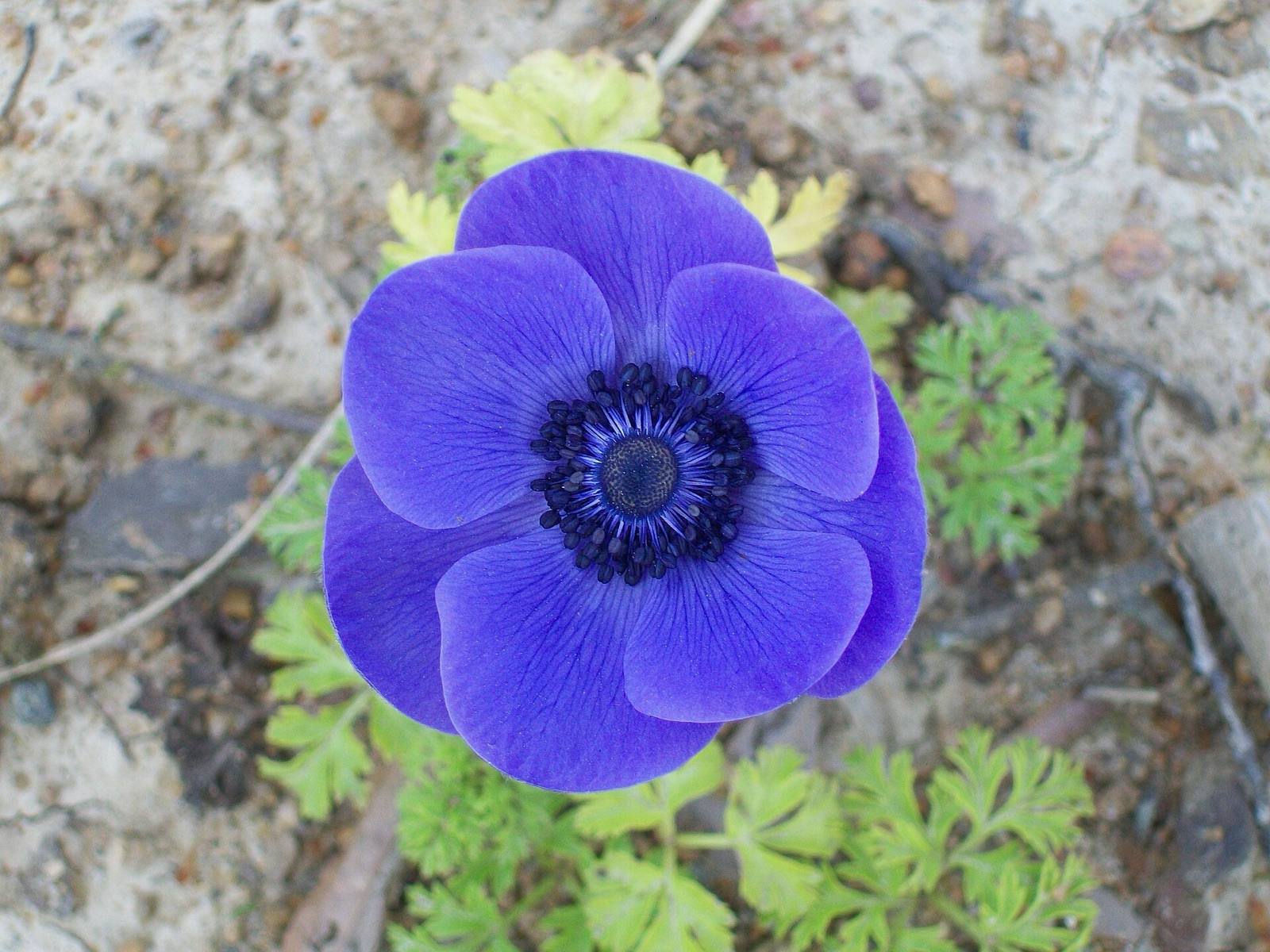
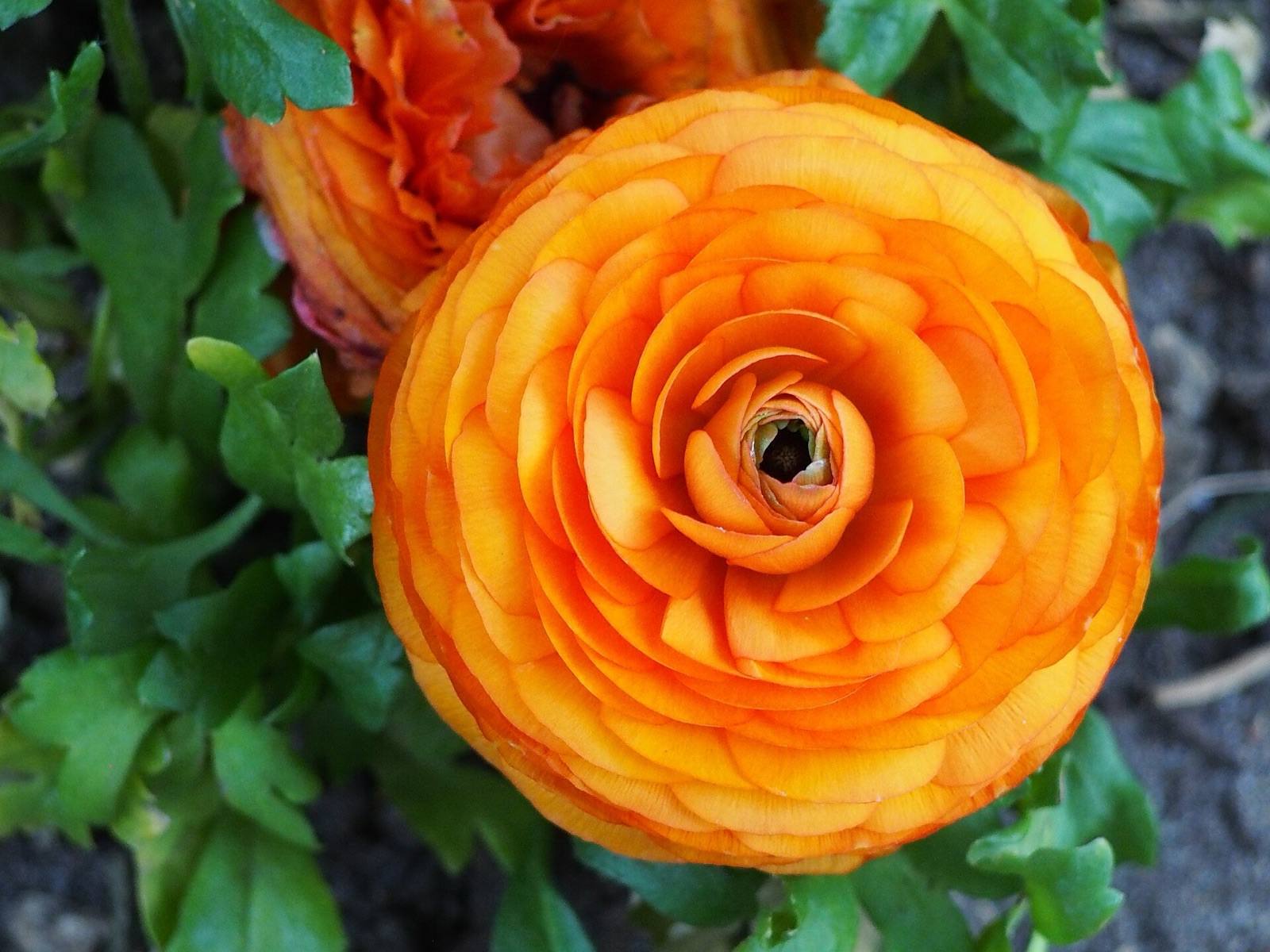
Anemones run alongside ranunculus through the cool months, at market from about June to October. Melbourne florists can see the first stems in May. The classic look is a white or jewel-toned flower with a dark, almost black centre, and they close up at night and reopen in light, which is part of their charm. They are grown locally, with some stems imported when demand runs ahead of supply. They are thirsty and do not like floral foam.
Sold by the bunch. Most affordable in mid-winter when supply is steady. Being confirmed
Start with the ruff of fine leaves sitting just under each flower. It should be bright green and crisp, not yellowing or slimy. Squeeze the stem gently near the base: firm is good, soft and hollow means the bunch is old. Look into the centre too. A tidy dark centre with no loose pollen dusting the petals is a younger flower. Skip bunches standing in warm water in a sunny shopfront, because anemones wilt quickly in heat. One bunch fills a small jug, and two make a generous low bowl. July and August, the peak of supply, is when bunches are fullest and best value.
Bondi NSW · est. 1992
A Bondi Road florist since 1992, with seasonal bouquets, arrangements, roses and potted orchids, and a weekly note on what's at market.
Anemone is not native to Australia, but it's grown here commercially.
Most anemones at Australian markets are grown here as a cool-season crop, planted from small dried corms in autumn and picked from winter into spring. Growers are mostly specialist cut-flower farms, from market gardens on the edges of Melbourne and Sydney to small seasonal flower farms, and some crops go under plastic tunnels to protect the petals from rain. Being confirmed Victoria's cooler climate gives it an earlier start, which is why Melbourne florists can see stems from May. When local supply runs short, imported stems fill the gap. Anemone coronaria comes from the Mediterranean and is not native here.
Out of season, florists bring in imported stems. Ask your florist which you're buying: local stems are usually fresher and have travelled less.Being confirmed
Colours
Varieties to ask for
Vase life
4 to 7 days Being confirmed
Making it last
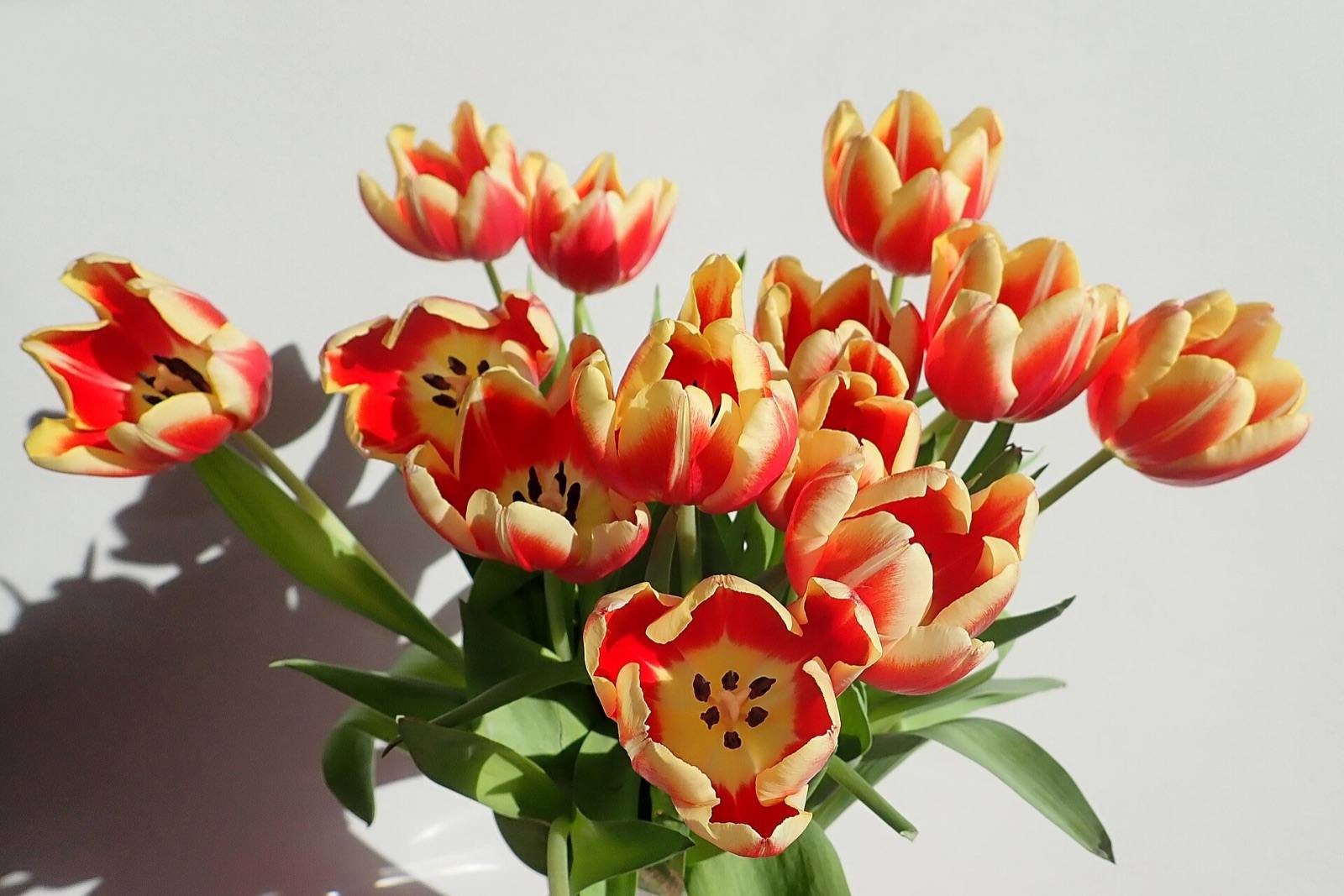
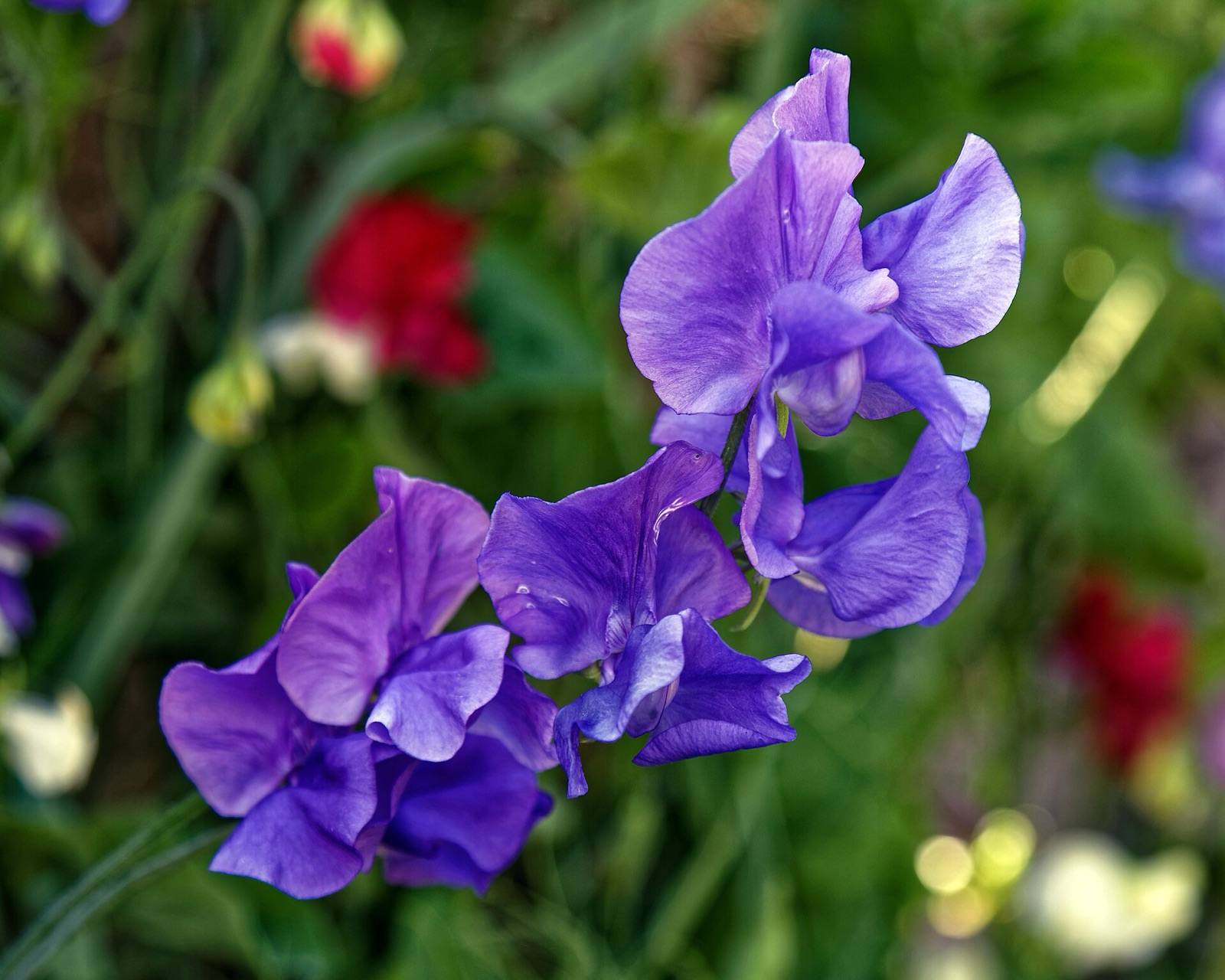
Anemones share the cool months with ranunculus, tulips, sweet peas and freesias, and a jug of anemones and ranunculus is the classic winter mix. The dark centres look sharp next to white or pale flowers, so try white anemones with blush ranunculus, or blue ones with white freesias. Use a low, wide vase or a short jug, because the stems curve towards the light and look best a little loose. Expect movement. The flowers open wider each day, close again at night and lean towards the window. They are a fresh flower only, so enjoy them while they last.
Traditionally a flower of anticipation.
Brukunga
Open: not yet confirmedBeing confirmed
Flemington
Best: all yearBeing confirmed
Epping
Best: all yearBeing confirmed
Anemones are at Australian markets from about June to October, peaking in July and August. In Melbourne the first stems can arrive in May. Some imported stems fill gaps when demand is high.
Anemones respond to light and temperature, closing in the dark or cold and opening again in daylight. It is normal and they keep doing it for most of their vase life.
Usually four to seven days. Keep them cool, top up the water often because they drink a lot, and keep them away from fruit bowls.
Anemones belong to the buttercup family, and plants in that family carry a sap that can irritate the mouth and upset the stomach if chewed. Being confirmed Keep vases out of reach of pets that nibble flowers, and call your vet if a cat or dog has eaten part of a stem or flower.
Yes. Soak the corms for a few hours, then plant them in autumn, around April and May, in a sunny, well-drained spot. They flower from late winter into spring. Anemones like cool weather, so in Sydney they finish earlier than in Melbourne once the spring heat arrives.