Founding florist
Tulipanna
Bondi NSW · est. 1992
A Bondi Road florist since 1992, with seasonal bouquets, arrangements, roses and potted orchids, and a weekly note on what's at market.
Seasonal cut flowerEustoma grandiflorum
Lisianthus are in season in Australia from December to May. In Victoria the season runs January to May.Being confirmed
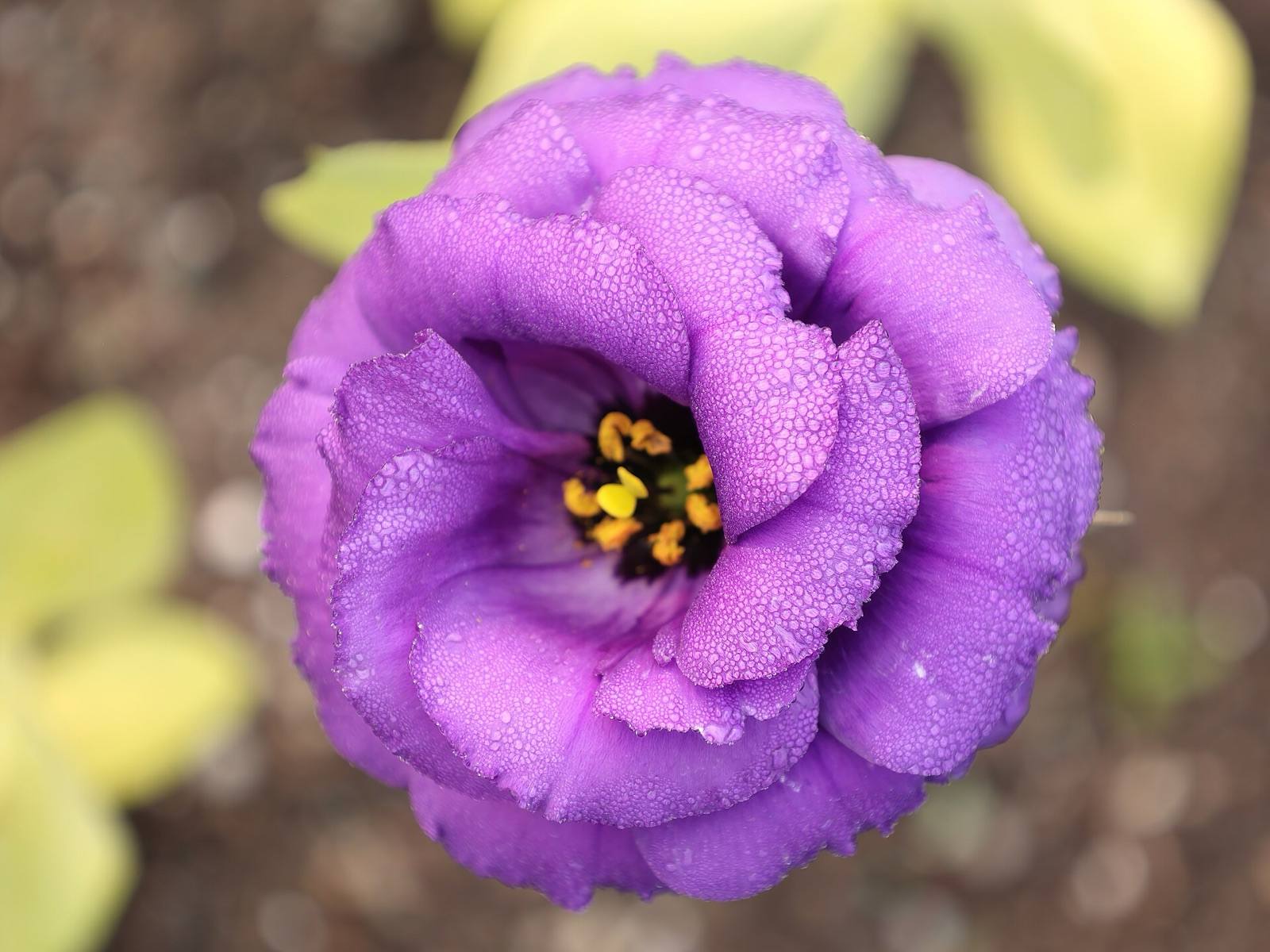
Lisianthus is a summer and autumn flower in Australia, most plentiful from December to May. Growers in hot inland areas like Sunraysia in north-west Victoria raise them in hothouses under shade cloth, and glasshouse crops mean you can find some stems most of the year, with supply thinnest in winter and early spring. They look like a soft, ruffled rose, come in whites, creams, pinks, apricot, green and purples, and are one of the longest-lasting cut flowers you can buy.
Sold by the bunch. Good value in summer and autumn, dearer and scarcer in winter. Being confirmed
Look at the petals first. They should be crisp, with no brown edges, water spots or see-through patches, which point to bruising or cold damage. Leaves should be firm and green right down the stem, not yellowing or slimy. Doubles look the most like roses, while singles are lighter and more delicate, so choose the style before the colour. Each stem branches into several flowers, so one bunch usually fills a medium vase. Summer and autumn bunches are fuller and cheaper, while winter stems tend to be thinner and dearer, so stock up when supply is high.
Bondi NSW · est. 1992
A Bondi Road florist since 1992, with seasonal bouquets, arrangements, roses and potted orchids, and a weekly note on what's at market.
Lisianthus are not native to Australia, but they're grown here commercially.
Lisianthus is native to grasslands in the southern United States and Mexico, and in Australia it is mostly grown under cover. Much of the summer supply comes from hot inland districts such as Sunraysia around Mildura, where growers raise it in hothouses under shade cloth. Plants start from dust-fine seed or plugs and take several months to reach flowering, so growers plant in waves to keep stems coming. Being confirmed Glasshouse growers fill in the cooler months, which is why stems still turn up in winter, just fewer of them. Some small flower farms also grow it outdoors as a summer field crop. Being confirmed
Stems at Australian markets are mostly grown here, so when they are out of season they are hard to find. Being confirmed
Colours
Varieties to ask for
Vase life
7 to 14 days Being confirmed
Making them last
Lisianthus has soft, flexible stems, so it works in almost any shape of vase. For a loose summer jar, mix white or green lisianthus with hydrangea heads, or put apricot and mauve stems with dahlias in late summer and autumn. A few stems of tuberose add scent, since lisianthus has little of its own. As the days go on, the buds keep opening and the bunch changes shape. Cut the stems shorter every few days and move them into a smaller vase as the bunch thins out.
Traditionally associated with appreciation and gratitude.
Flowerdale
Open: January to AprilBeing confirmed
Flemington
Best: all yearBeing confirmed
Epping
Best: all yearBeing confirmed
Lisianthus is most plentiful from December to May. Because it is also grown under glass you can find stems for much of the year, but supply is limited in winter and early spring.
Koch & Co says seven to fourteen days. A Sunraysia grower told ABC Rural stems can last up to three weeks, and well-grown winter stems even longer. Remove spent flowers so the buds keep opening.
No. It is a separate plant native to the Americas, but its ruffled double flowers look a lot like a soft rose, which is why it is often used as a longer-lasting alternative.
The smallest green buds at the tip of each stem often never open, which is normal. Buds that already show colour should open over a week or so if you use flower food, recut the stems and keep the vase away from fruit and heat. Snipping off spent flowers helps the buds behind them.
Yes, as a warm-season annual, but it is slow. Buy seedlings in spring rather than sowing the dust-fine seed, plant them in full sun and free-draining soil, and expect flowers in summer. Tall cut-flower types need staking so rain and wind don't flatten them. Being confirmed