Founding florist
Tulipanna
Bondi NSW · est. 1992
A Bondi Road florist since 1992, with seasonal bouquets, arrangements, roses and potted orchids, and a weekly note on what's at market.
Seasonal cut flowerPaeonia lactiflora
Peonies are in season in Australia from October to December. In Tasmania the season runs November to December. Outside those months most stems are imported, usually from Netherlands.Being confirmed
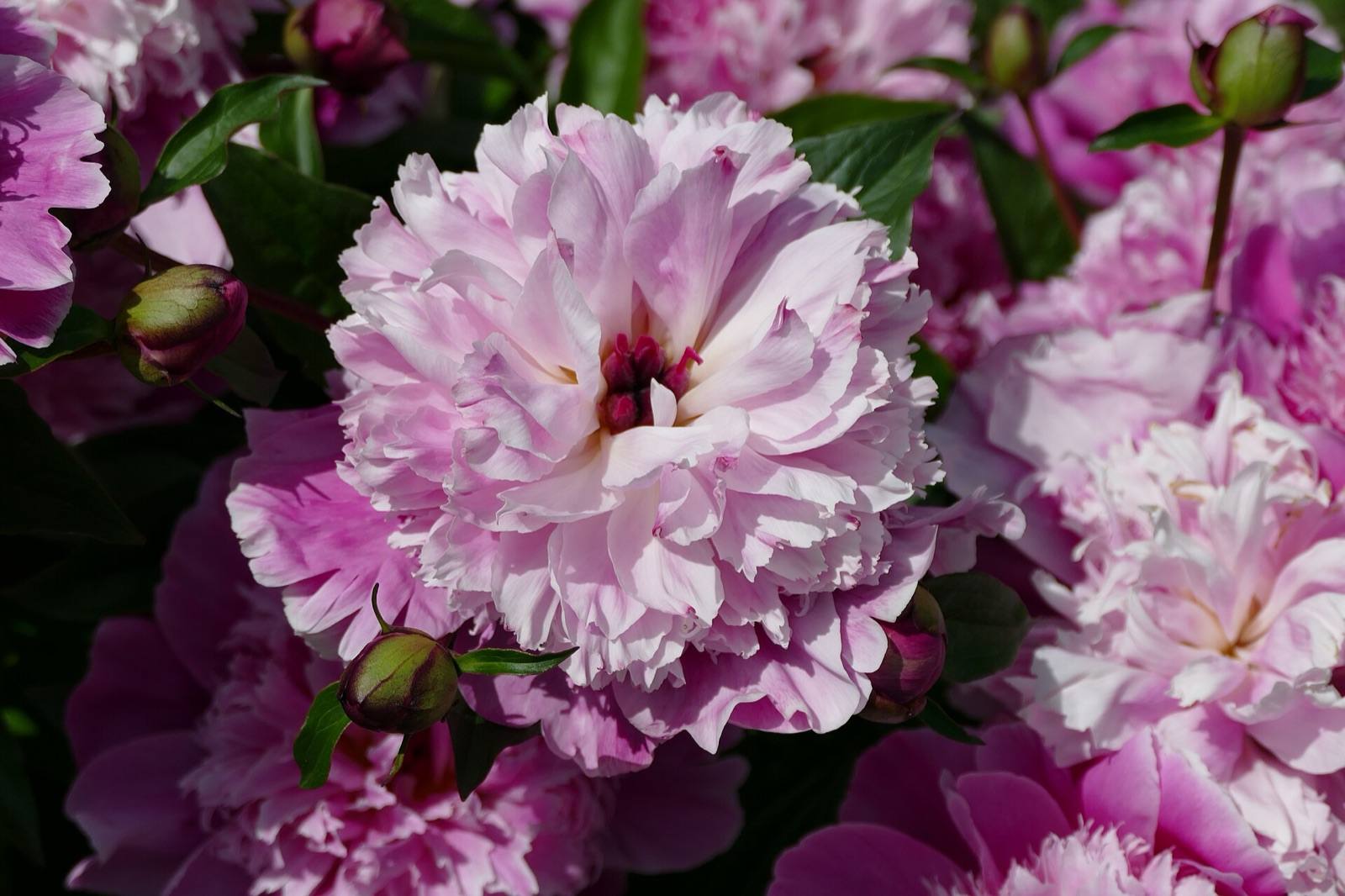
Australian peonies have one of the shortest runs at market, roughly late October to early December. Victorian farms in the Macedon Ranges, Yarra Valley and around Geelong usually lead in late October and November, while Tasmanian growers pick from mid-November into mid-December. Coral and red types such as Coral Charm tend to arrive first, with whites and then pinks following. Peonies you see in autumn, around Mother's Day, are almost always imported from the Northern Hemisphere.
Priced by the stem and among the dearest flowers at market, especially early in the local season and for imported stems in autumn. Being confirmed
Check the leaves and stems as closely as the buds. Leaves should be deep green and firm, with no black spots, and the stems thick and straight. Avoid buds with grey fuzz or brown patches, a sign of mould, and bunches that have been sitting in a warm shopfront. Five stems make a good vase, and even three look generous once they open. The best value usually comes in mid to late November, when Victorian and Tasmanian farms are both picking. Being confirmed Coral types arrive first, so if you want pinks, wait until later in the run.
Bondi NSW · est. 1992
A Bondi Road florist since 1992, with seasonal bouquets, arrangements, roses and potted orchids, and a weekly note on what's at market.
Peonies are not native to Australia, but they're grown here commercially.
Peonies need a cold winter to flower well, so Australian crops are grown outdoors in cool districts, mostly in Victoria and Tasmania. They are long-lived perennials that die back to the ground each winter and send up new stems in spring, and young plants take a few years to produce stems worth selling. Being confirmed Growers range from Fairview Farm at Cherokee in the Macedon Ranges, which supplies in November, to Pinerise at Highcroft on the Tasman Peninsula, which picks into December. Stems are cut in bud and cooled quickly before they go to market, which is why they travel well.
Out of season, florists bring in imported stems, mostly from Netherlands. Ask your florist which you're buying: local stems are usually fresher and have travelled less.Being confirmed
Colours
Varieties to ask for
Vase life
5 to 7 days Being confirmed
Making them last
Peonies change more in the vase than almost any other flower, so leave them room. Start with tight buds in a low, wide bowl or a short jug and they open into heads several times their starting size. They pair well with delphinium and sweet peas in November, or with roses for a softer pink bunch. Coral Charm fades from coral to apricot and then cream as it opens, which is half its appeal. When the petals start to drop, float the best heads in a shallow bowl for one more day.
Traditionally a symbol of prosperity, good fortune and a happy marriage.
Australian-grown peonies are at market from about late October to early December. Victoria usually starts first, with November the peak, and Tasmanian farms carry on from mid-November into mid-December. The exact window can move a couple of weeks depending on the spring weather.
Peonies sold in autumn and early winter, including around Mother's Day, are imported from the Northern Hemisphere, where they flower in their late spring. Florists source them from Europe and the Netherlands, so expect a higher price per stem than local peonies in November.
Give them a fresh angled cut, strip the lower leaves and stand them in cool water with flower food in a warm (not hot) room. Soft buds that feel like a marshmallow when squeezed open within a day or two. Rock-hard buds may never open fully.
Expect about five to seven days. Buying them in bud, keeping them cool and away from ripening fruit, and changing the water every couple of days gives you the full run.
Yes. The ASPCA lists peony as toxic to cats, dogs and horses because of a compound called paeonol, which can cause vomiting, diarrhoea and lethargy if eaten. Keep vases and fallen petals out of reach of pets that chew plants, and call your vet if you think a pet has eaten some.