Founding florist
Tulipanna
Bondi NSW · est. 1992
A Bondi Road florist since 1992, with seasonal bouquets, arrangements, roses and potted orchids, and a weekly note on what's at market.
Australian nativeChamelaucium hybrids
Waxflower is in season in Australia from July to November. In Victoria the season runs November to December. In Queensland the season runs September to December.Being confirmed
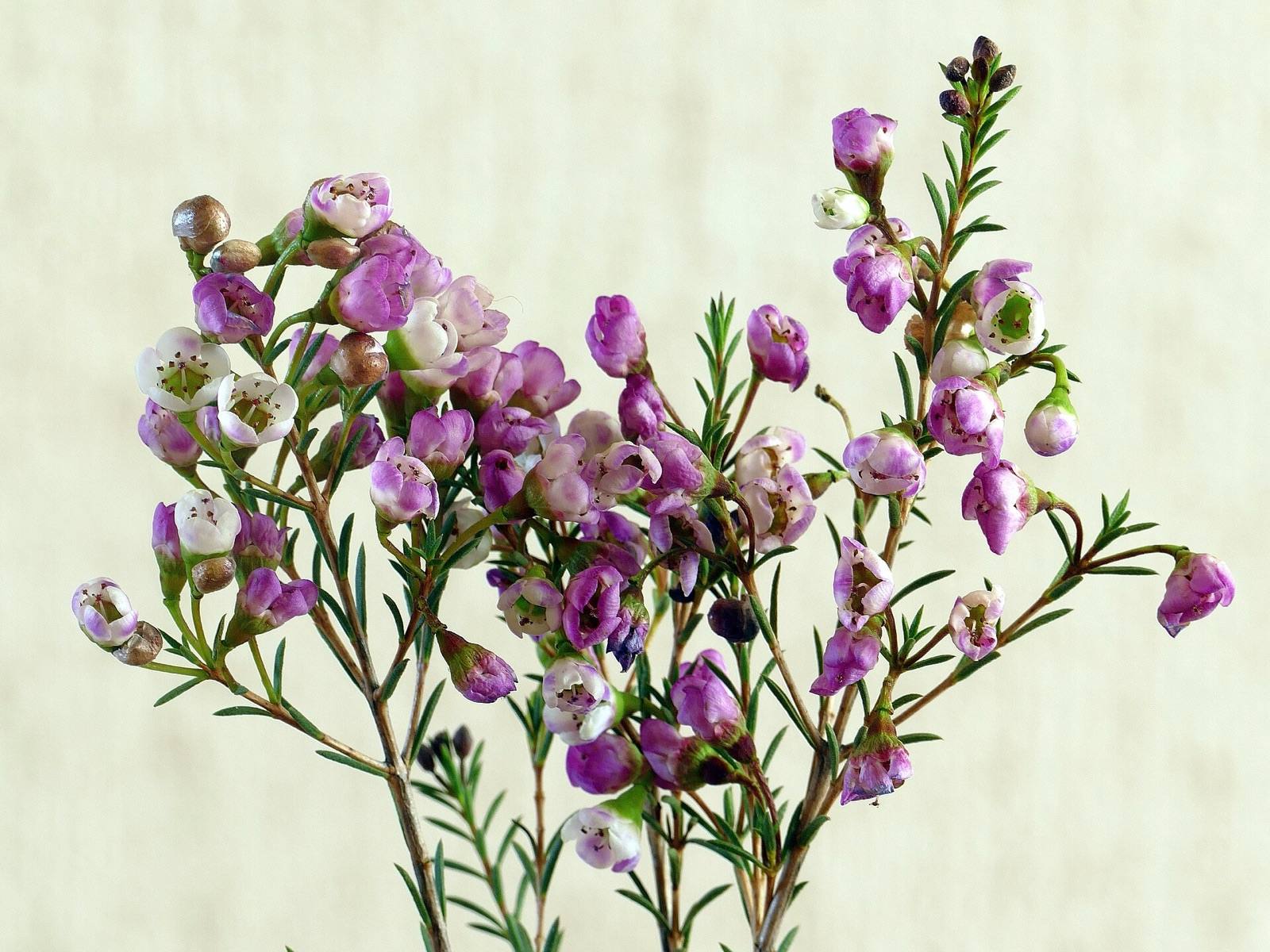
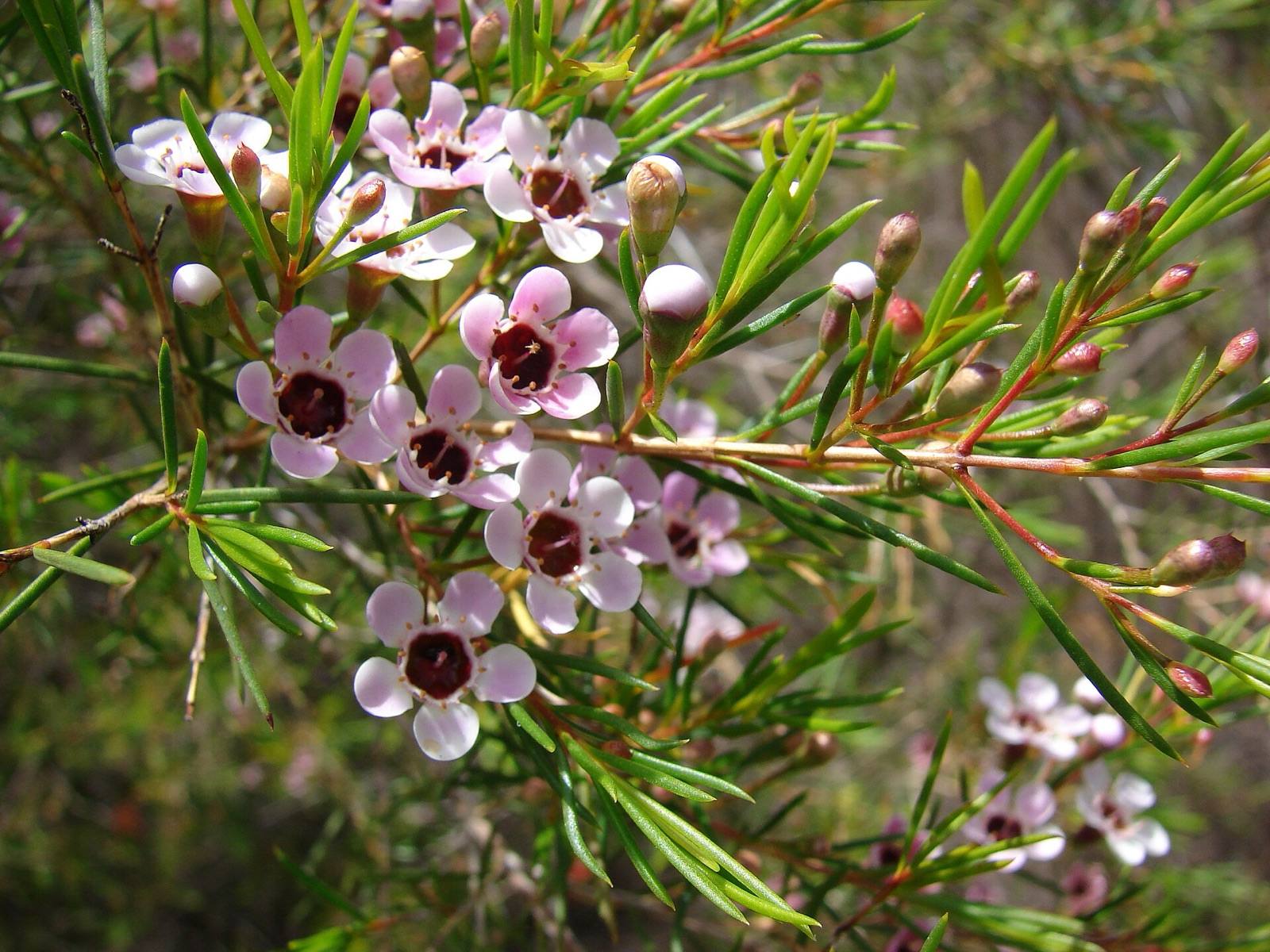
In the Australian flower trade, waxflower means farmed Chamelaucium hybrids, bred largely from Geraldton wax (Chamelaucium uncinatum) and its relatives. Western Australia is the heartland, with the main commercial harvest from about July to November, and newer plantings near Melbourne extend it into late November and early December. Florists use it as a long-lasting filler, in bud or open. Breeding, including by Kings Park's plant development team, has produced whites, pinks and purples in many flower sizes. For the wild shrub and where to see it flowering, see Geraldton wax.
Usually sold by the bunch. Being confirmed
Look closely at the tiny flowers. Most should be in bud or just open, with a few fully open ones showing colour. Lots of open flowers with dark or drying centres means less life left. Give the bunch a light tap before you buy. A few loose flowers is normal, but a shower means it has been knocked about or kept near ripening fruit. The needle-like leaves should be green and supple, not dry or brittle. One bunch goes a long way, as each stem branches into many sprigs. Waxflower is plentiful and good value from August to October.
Bondi NSW · est. 1992
A Bondi Road florist since 1992, with seasonal bouquets, arrangements, roses and potted orchids, and a weekly note on what's at market.
Waxflower is Australian native.
Waxflower is one of Western Australia's biggest native cut flower crops, grown on farms around Perth, north towards Geraldton and south into the South West. Being confirmed The plants are woody shrubs, pruned hard after harvest so they send up long, straight stems for the next season. Farms in South Australia, Victoria and south-east Queensland grow it too, which spreads the season across more months. In the wild, Geraldton wax grows on sandy heath and limestone along a 400km strip between Perth and Geraldton, flowering in late winter and spring. In gardens it wants full sun, sandy soil and dry summers, and it struggles in humid east coast climates.
Stems at Australian markets are mostly grown here, so when it is out of season it is hard to find. Being confirmed
Colours
Varieties to ask for
Making it last
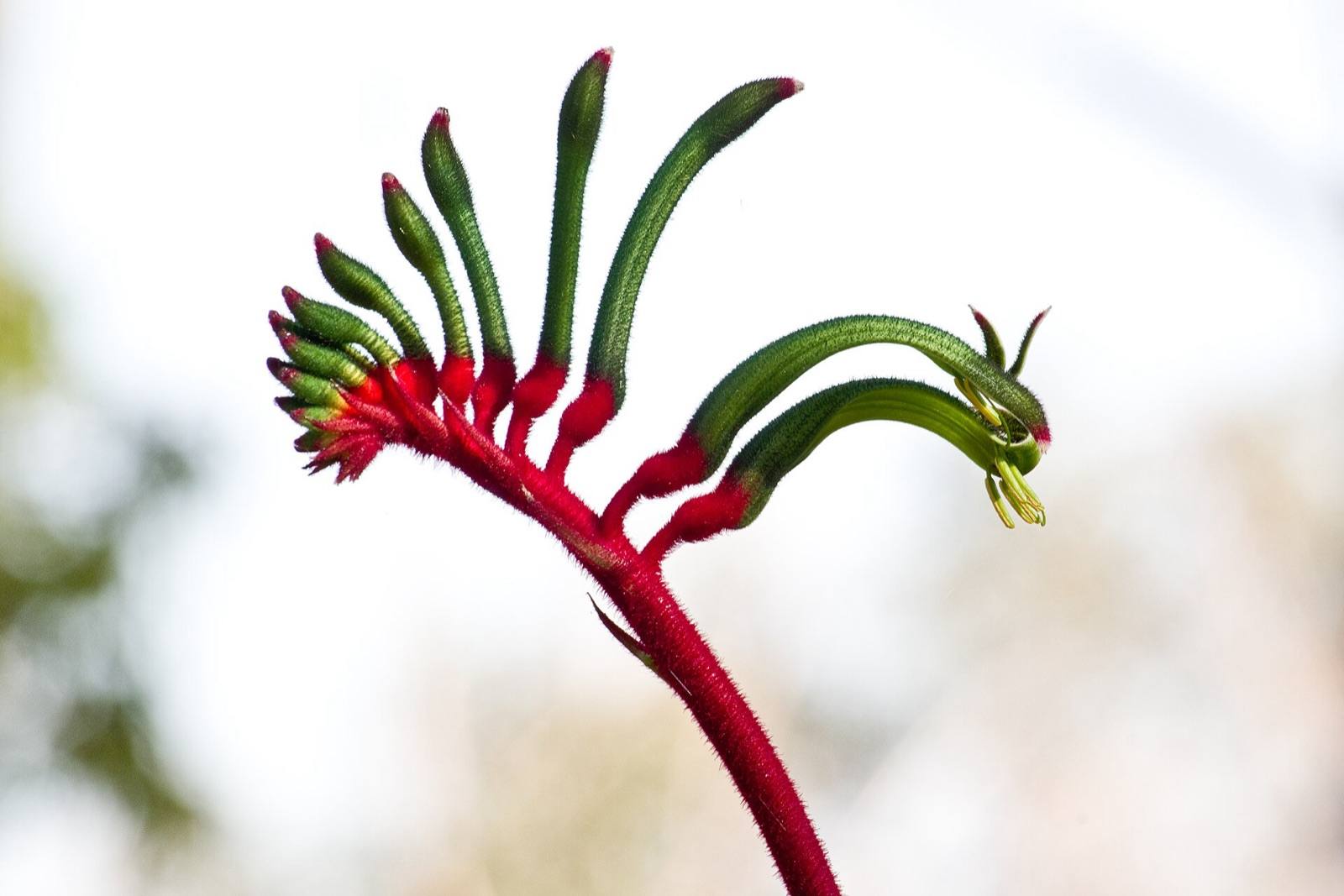
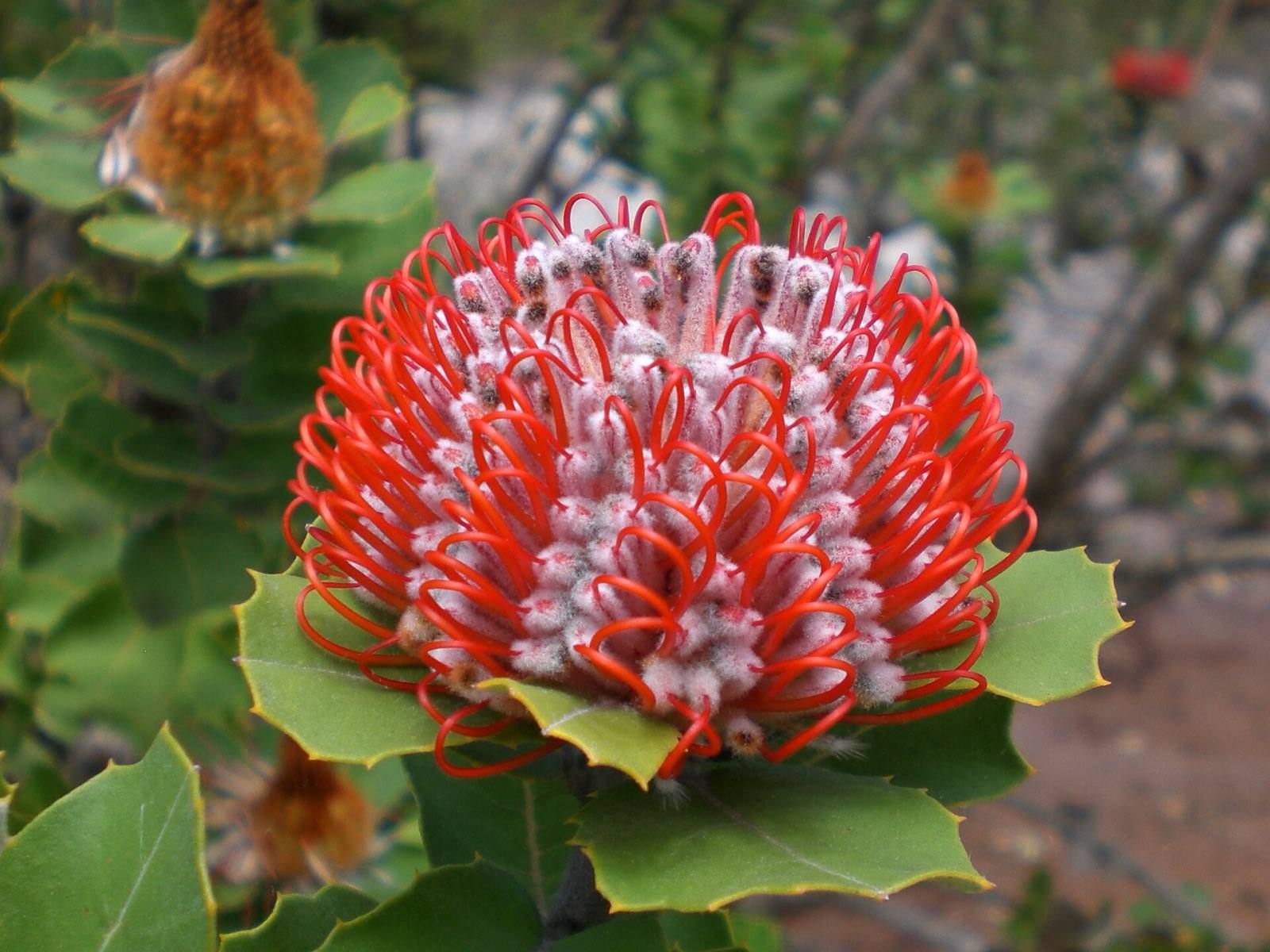
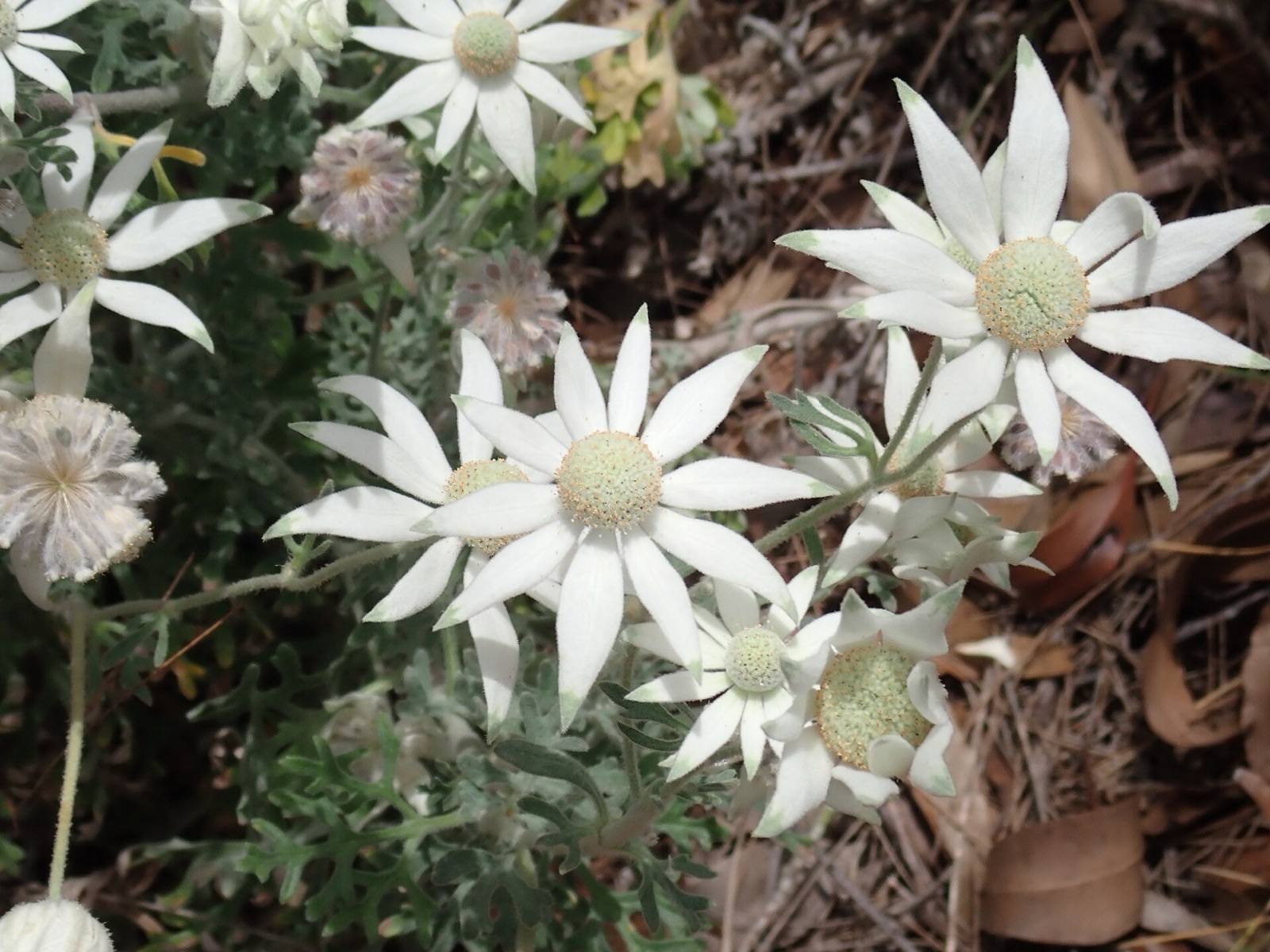
Waxflower is a natural filler for spring natives. It flowers alongside waratah, kangaroo paw, flannel flower, banksia and wattle, and softens the big heads of protea. It works with roses and ranunculus too. Tuck short sprigs through a posy, or put a few long branches on their own in a clear glass vase, where the fine stems read like a cloud. The buds keep opening through the first week, so a bunch bought in bud gets prettier before it fades. Waxflower dries well. Hang bunches upside down, or simply let the vase run dry.
Kangaroo pawEverlasting daisyBanksiaGrevillea
Perth
Best: September to OctoberBeing confirmed
West Leederville
Open: not yet confirmedBeing confirmed
Flemington
Best: all yearBeing confirmed
Waxflower is harvested in Western Australia for much of the year, but the main season runs from about July to November. Plantings near Melbourne push supply into late November and early December. In Brisbane, Northside Flower Market lists it from September to December.
Geraldton wax (Chamelaucium uncinatum) is the wild Western Australian shrub. Waxflower is the florist name for farmed Chamelaucium, mostly hybrids bred from Geraldton wax and related species for better colour, stem length and vase life. So all Geraldton wax is waxflower, but most waxflower you buy isn't pure Geraldton wax.
Waxflower drops its flowers when it meets ethylene gas, which ripening fruit gives off. Keep it well away from the fruit bowl, use flower food, change the water every few days and keep the vase somewhere cool.
The flowers have little perfume, but the needle-like leaves smell of lemon and myrtle when you crush or brush them. Waxflower belongs to the myrtle family, alongside tea tree and eucalyptus. The scent is lovely in a posy, but some people find it strong in a small room, so give a stem a sniff before buying a big bunch.
You can, but it's not easy. It comes from dry, sandy country in Western Australia and dislikes Sydney's humid, wet summers, which bring root rot. Plant it in full sun in sandy, very free-draining soil or a raised bed, and never overwater. Grafted plants cope better with humidity. Being confirmed Prune by about a third after flowering to keep it bushy.