.jpg)
Founding florist
Tulipanna
Bondi NSW · est. 1992
A Bondi Road florist since 1992, with seasonal bouquets, arrangements, roses and potted orchids, and a weekly note on what's at market.
Australian nativeBanksia spp.
Banksia is in season in Australia from April to October. In Western Australia the season runs May to December.Being confirmed
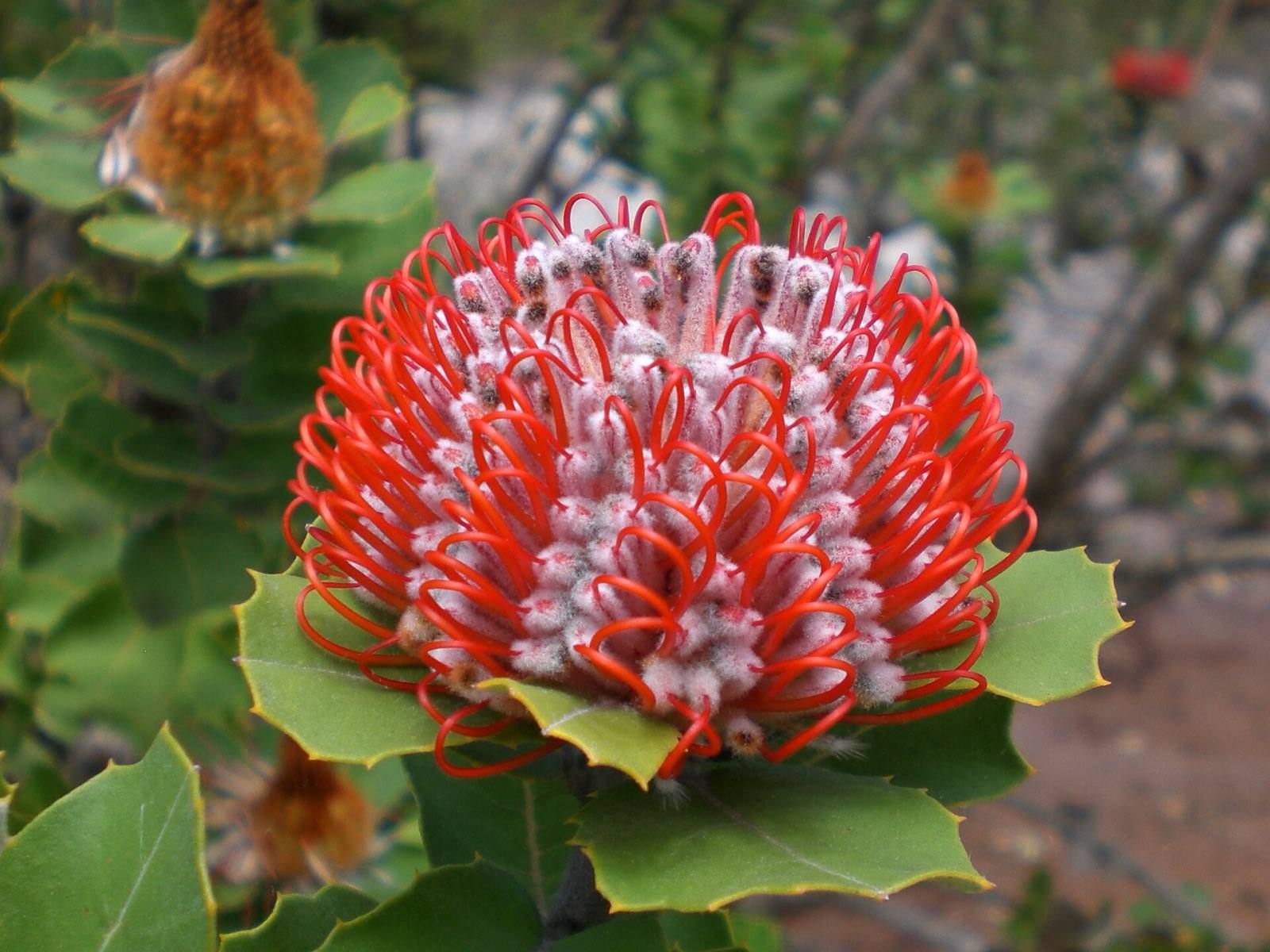
Banksias are a big genus, and the cut-flower season depends on which species is in the bucket. The Western Australian types that dominate the trade, such as scarlet banksia (Banksia coccinea), Banksia hookeriana and Banksia menziesii, flower through the cooler months and into spring, and scarlet banksia runs from about May to December in the wild. Between the species there is usually a banksia at market for much of the year, strongest from autumn to spring. The heads last well and dry beautifully, so they turn up in dried arrangements too.
Priced by the stem; bigger heads cost more. Being confirmed
Look closely at the head. The best stems have heads that are well coloured but still firm, with the tiny flowers packed tight rather than dropping, fluffy or browning at the base. Leaves should be stiff and grey-green or dark green, not curled or crisp at the edges. Check the cut end for dark, split or dried-out wood, which means the stem has been sitting dry. Banksias are sold by the stem, so a single large head in a heavy vase can be enough, and three or five stems make a solid display. Buy in the cooler months, when several WA species are in supply at once.
Bondi NSW · est. 1992
A Bondi Road florist since 1992, with seasonal bouquets, arrangements, roses and potted orchids, and a weekly note on what's at market.
Banksia is Australian native.
Most cut banksias come from Western Australia, where plantation growers work the sandy soils north of Perth. In the wild, the Great Southern region around Mount Barker is banksia country, with about two dozen species growing within 50 kilometres of the town. Scarlet banksia grows along the south coast near Albany. Farms tend to be specialist native wildflower growers, often with proteas and other wildflowers on the same ground, and a good share of the crop is exported as well as sold here. In gardens, banksias want full sun, sharp drainage and very little fertiliser, especially phosphorus.
Stems at Australian markets are mostly grown here, so when it is out of season it is hard to find. Being confirmed
Colours
Varieties to ask for
Making it last
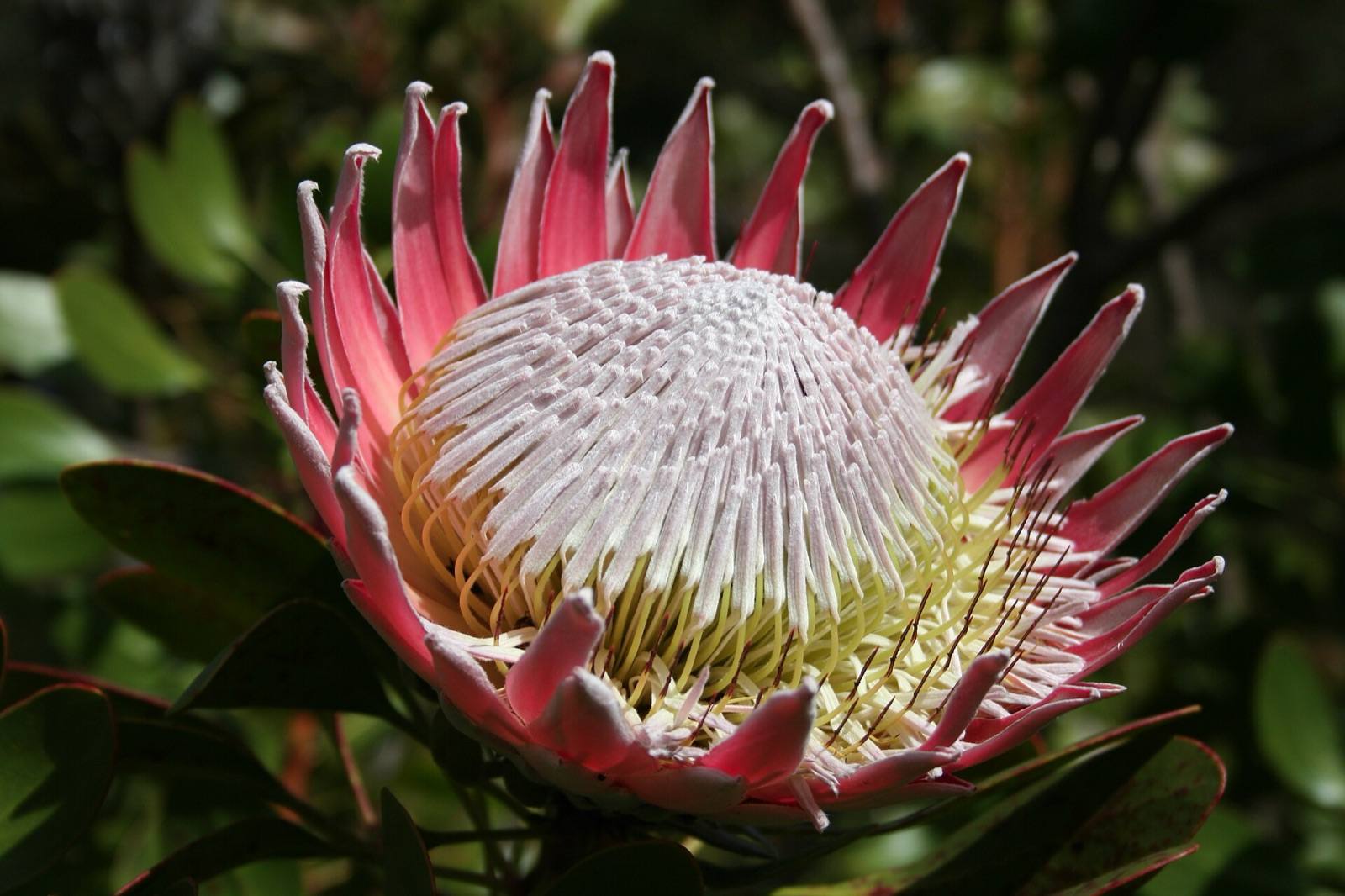
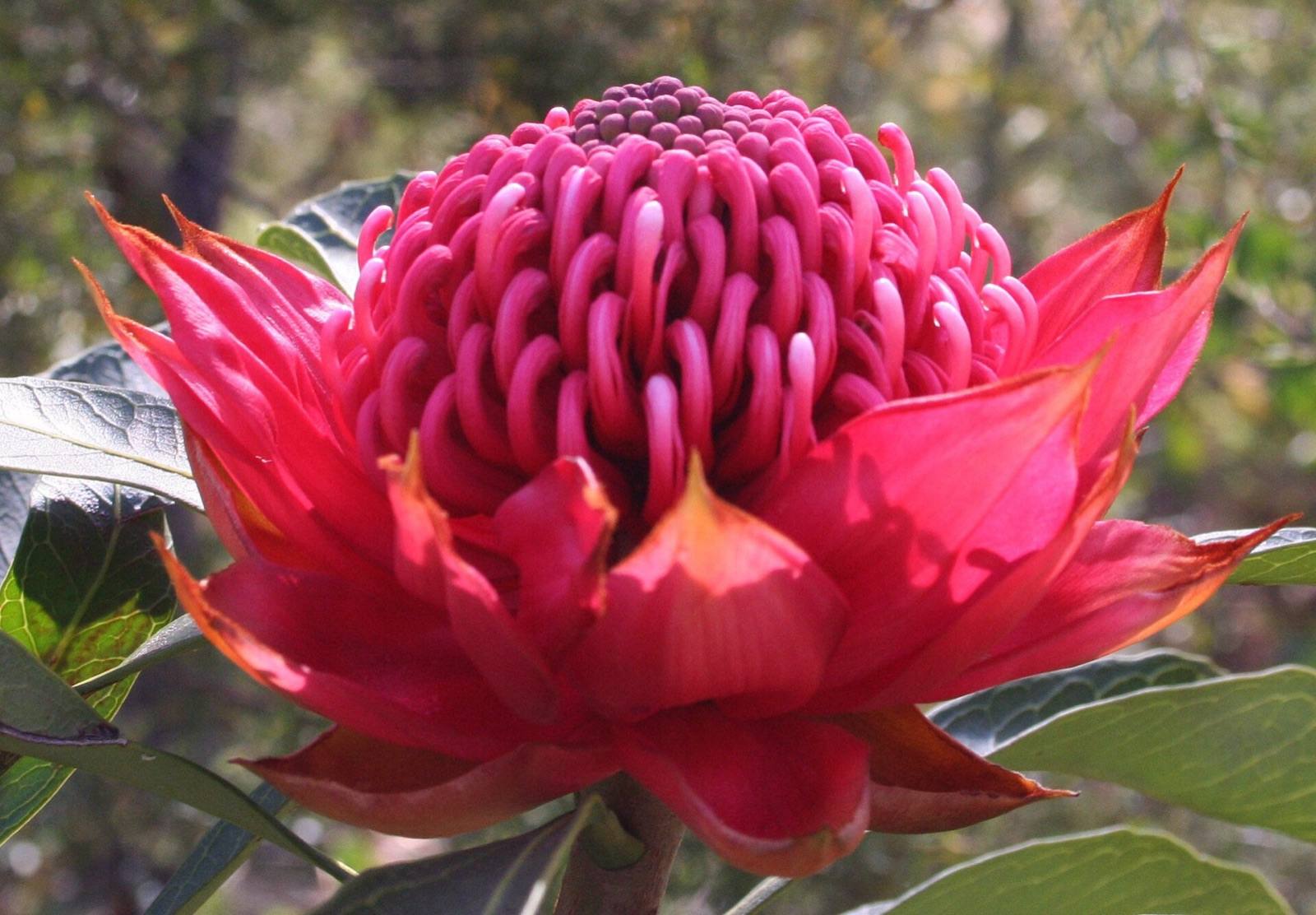
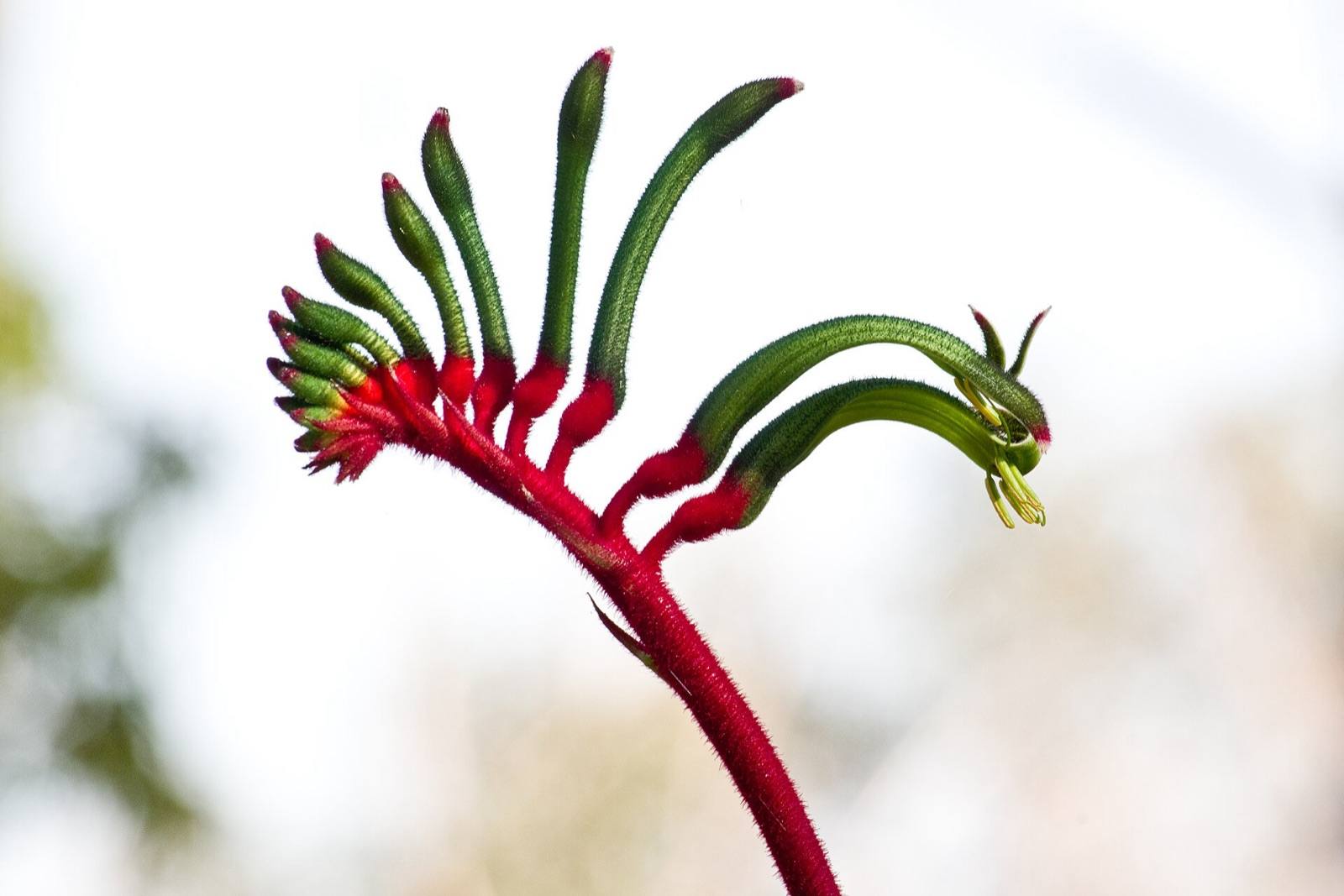
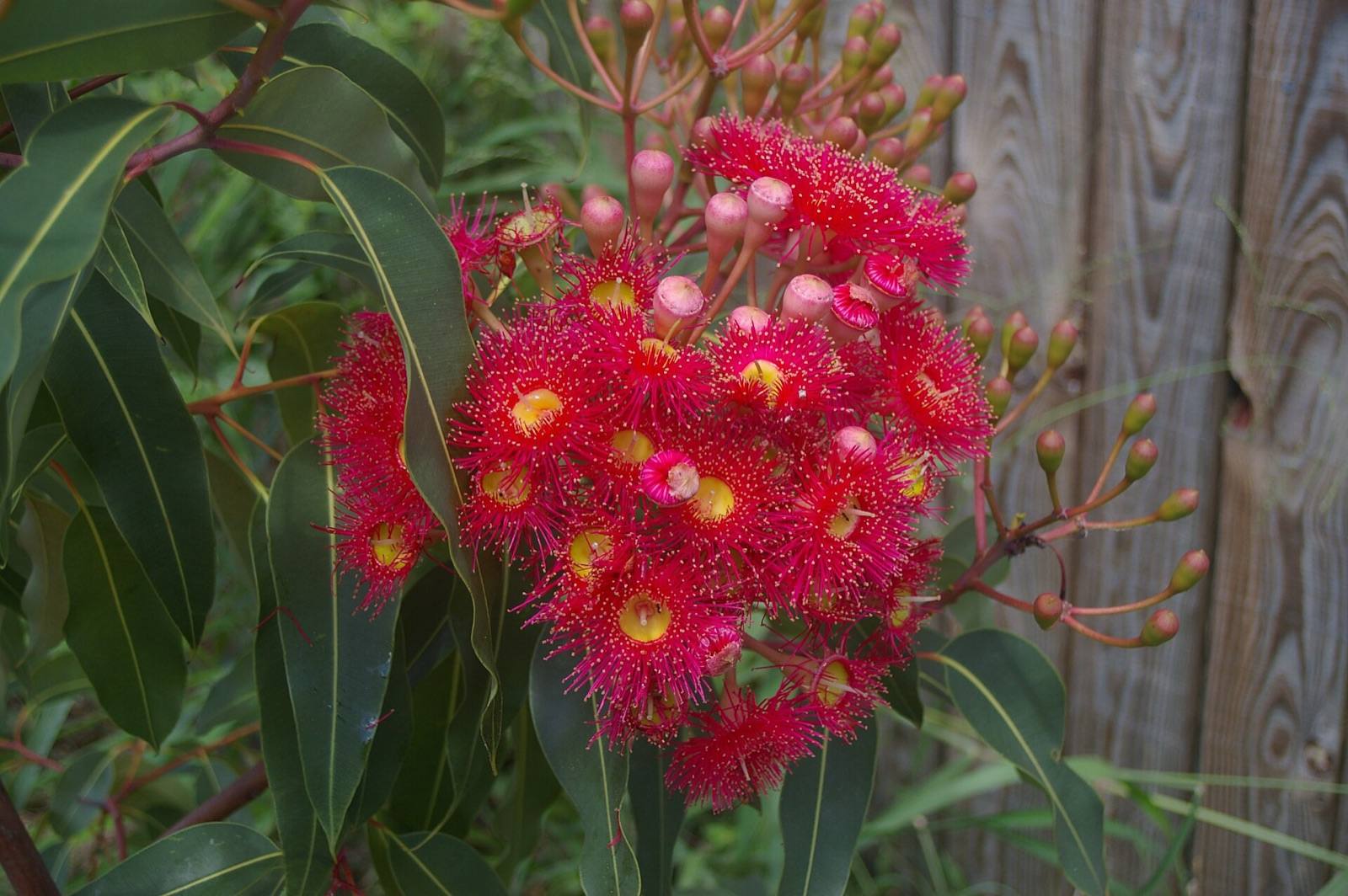
Banksias overlap with proteas, waratahs, kangaroo paw, grevillea and waxflower, so an all-native vase is easy from autumn through spring. Their heavy heads need a weighty vase with a narrow neck, like a stoneware jug or a thick glass cylinder, to stop them tipping. Keep it simple: two or three heads, some eucalyptus or grevillea foliage and one lighter filler such as waxflower. Fresh heads hold their shape for a long time with little change, then slowly dull. At that point, leave them in the vase to dry.
Everlasting daisyKangaroo pawBanksiaGeraldton wax
Perth
Best: September to OctoberBeing confirmed
Jurien Bay
Best: September to NovemberBeing confirmed
Sydney
Best: August to OctoberBeing confirmed
Canberra
Best: September to NovemberBeing confirmed
It depends on the species. The Western Australian banksias grown for cut flowers mostly flower through the cooler months into spring, and scarlet banksia runs from about May to December in the wild. With several species in production, you can usually find a banksia at market from autumn through spring.
Yes, they are one of the best natives for drying. Once the fresh stems are past their best, tip out the water and leave them standing in the vase, or hang them somewhere dry and airy. The heads keep their shape and much of their colour.
No, though they belong to the same plant family. Banksias are Australian natives, while proteas, leucadendrons and pincushions come from South Africa. Florists often sell them together because they suit each other and are often grown on the same farms.
Yes, and local species are the easiest. Coast banksia (Banksia integrifolia) and silver banksia (Banksia marginata) grow well in Melbourne gardens. Western Australian species are fussier and often struggle with humidity and heavy clay, so give them a raised, sandy bed in full sun and skip high-phosphorus fertilisers.
Yes. Banksia flowers are rich in nectar, and in the garden they draw honeyeaters, wattlebirds and lorikeets, plus bees and other insects. Some species feed possums and other small mammals at night. Planting a few species that flower at different times keeps food on offer for more of the year.