,_Yarragadee,_Western_Australia_1.jpg)
Founding florist
Tulipanna
Bondi NSW · est. 1992
A Bondi Road florist since 1992, with seasonal bouquets, arrangements, roses and potted orchids, and a weekly note on what's at market.
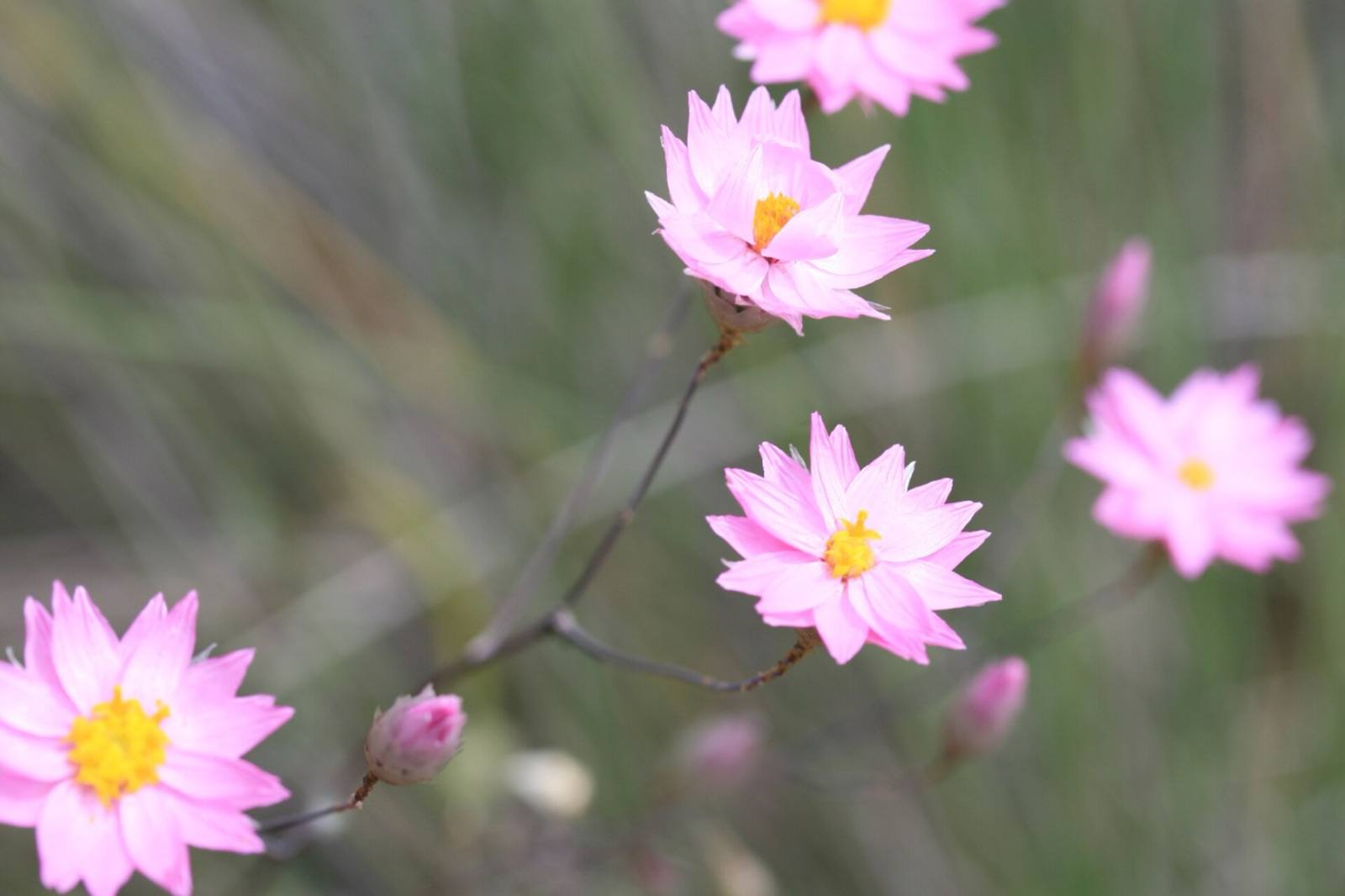
Australian nativeRhodanthe chlorocephala subsp. rosea and related paper daisies
Everlasting daisy is in season in Australia from August to October. In Western Australia the season runs July to October.Being confirmed
Everlastings are the paper daisies that carpet Western Australia's Mid West after good winter rain. The pink and white Rhodanthe chlorocephala subsp. rosea, along with yellow species, flower from late winter into spring, and Coalseam Conservation Park near Mingenew is the classic place to see them, with timing shifting each year with the rain. Their 'petals' are really papery bracts that hold their colour when dried, which is why they sell as dried flowers as much as fresh. As a fresh cut flower they are a limited, seasonal line.
Sold fresh in a short season and dried all year. Being confirmed
Fresh everlastings have a short window, so buy them when you see them. Look for flowers with a clean yellow centre and bracts that feel crisp and papery rather than limp. A few tight buds on each stem are a good sign, as they will open in the vase. Avoid stems with browning centres or fluffy seed heads, which are past their best. The stems are fine and short, so two or three bunches make a full, low jar. For drying, choose half-open flowers, as they keep opening as they dry. Fresh stems are most plentiful at the height of the WA flush, usually in September. Being confirmed
Bondi NSW · est. 1992
A Bondi Road florist since 1992, with seasonal bouquets, arrangements, roses and potted orchids, and a weekly note on what's at market.
Everlasting daisy is Australian native.
In the wild, everlastings are annuals. Seed sits in the soil of the Mid West and Wheatbelt through summer, germinates after autumn and winter rain, and the plants flower, set seed and die off by the end of spring. That is why a dry year means a thin display. Commercial crops come mostly from family farms in the WA Wheatbelt, where some grain and livestock growers now sow paper daisies as a sideline and harvest them for the fresh and dried markets. In home gardens they grow easily from seed scattered on the surface in autumn, in full sun and poor, well-drained soil, with no fertiliser.
Stems at Australian markets are mostly grown here, so when it is out of season it is hard to find. Being confirmed
Colours
Varieties to ask for
Making it last
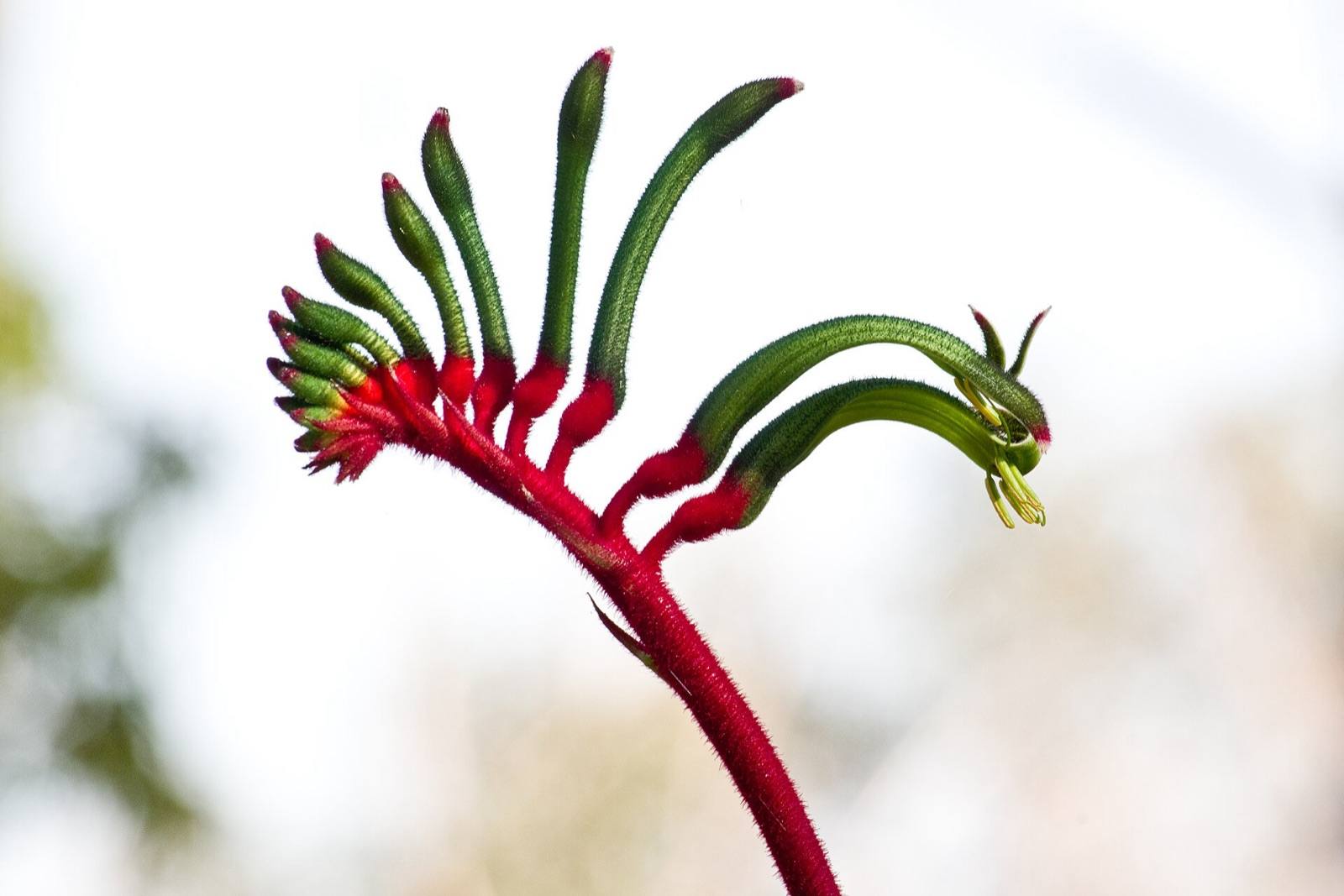
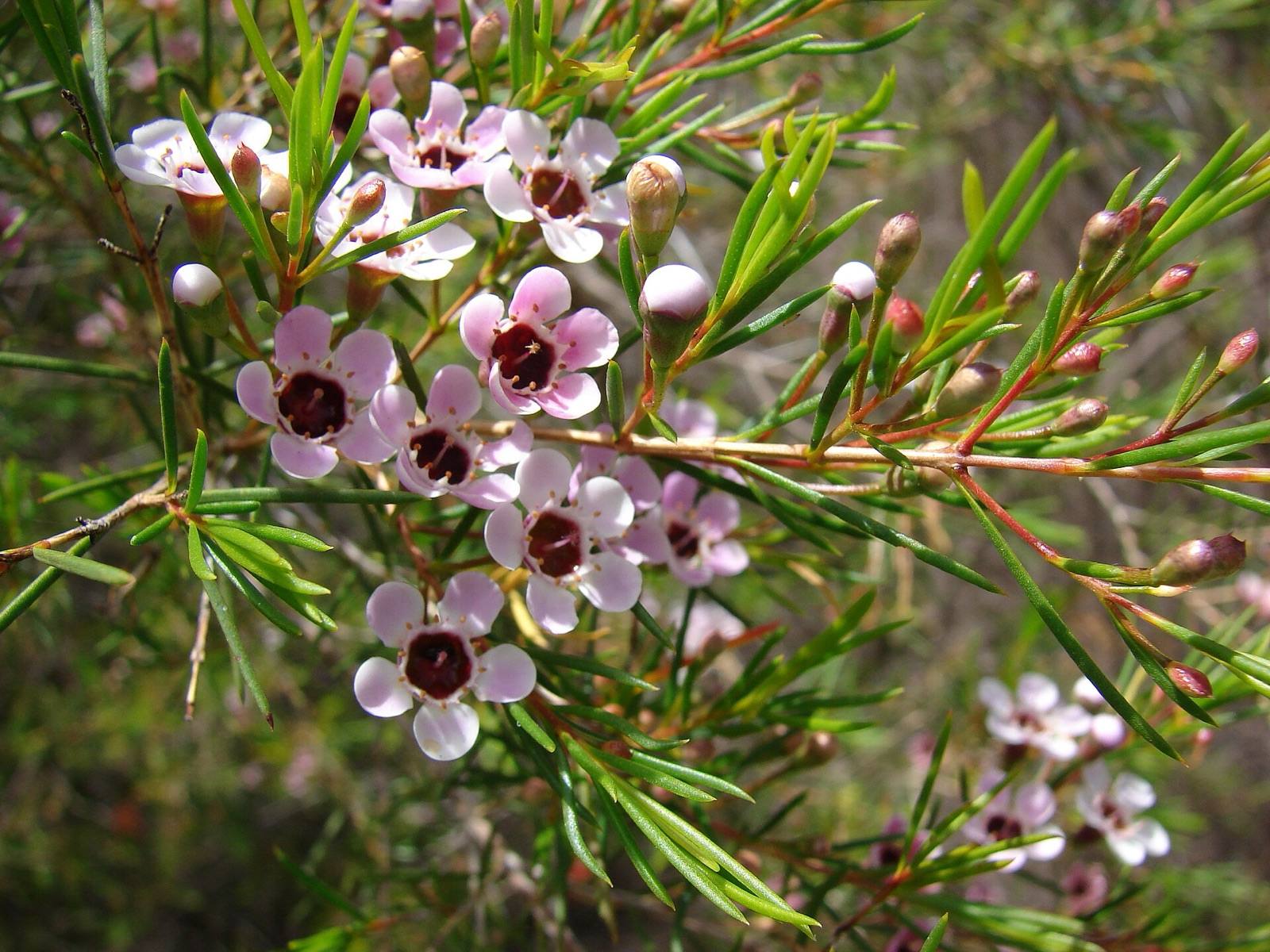
Everlastings are small and delicate, so keep them low and loose. A short glass, a tumbler or a small jug suits them better than a tall vase. In spring they sit naturally with Geraldton wax, kangaroo paw and boronia for a WA-themed jar, or with ranunculus for something softer. The flowers tend to close in dull light and open again in the sun, which is part of their charm. Being confirmed When the fresh stems start to flop, tie them in small bunches and hang them to dry. They keep their pink and white for months, then slowly fade towards cream.
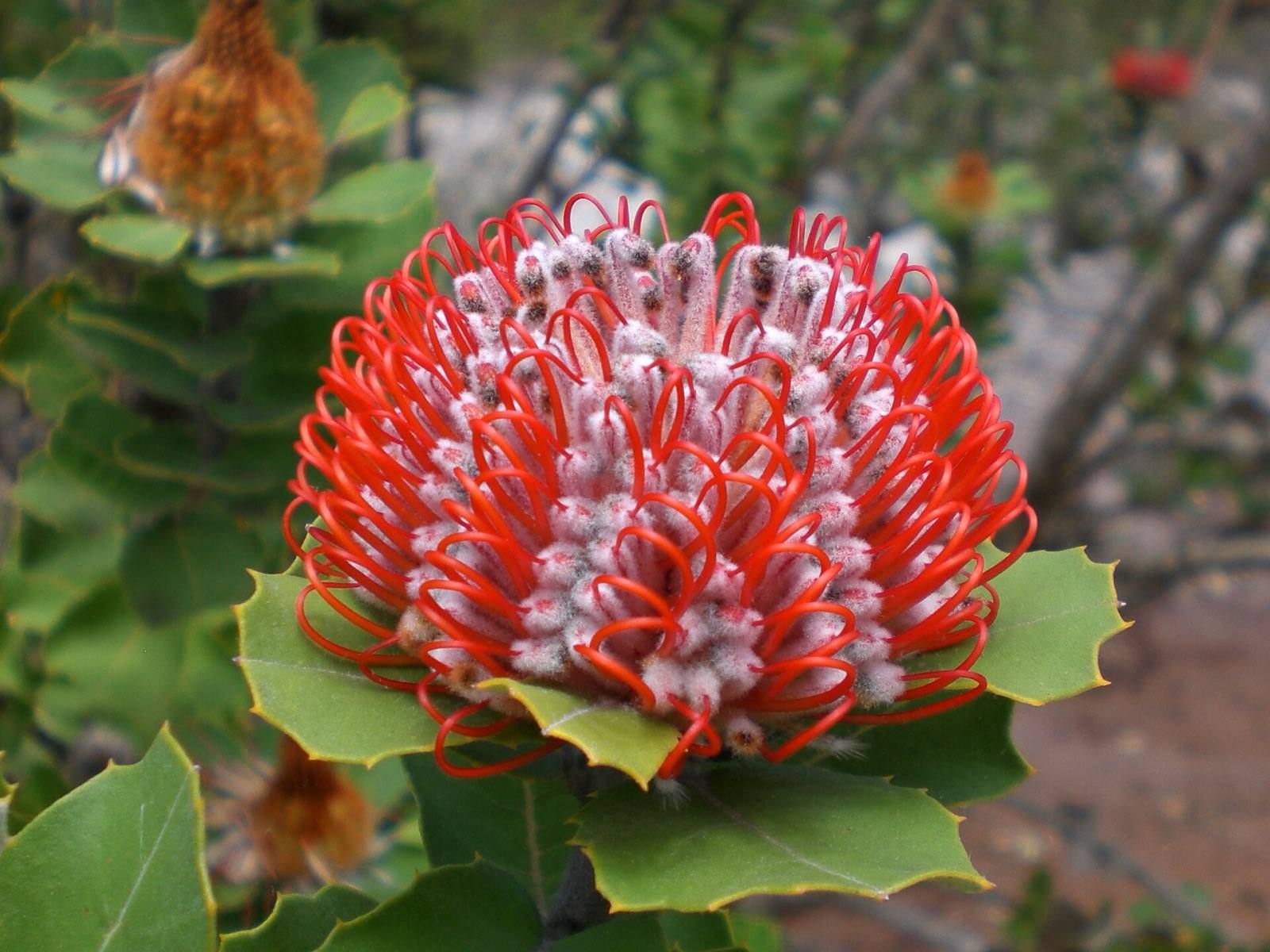
Everlasting daisyKangaroo pawBanksiaGeraldton wax
Kangaroo pawEverlasting daisyBanksiaGrevillea
Mingenew
Best: July to OctoberBeing confirmed
Perth
Best: September to OctoberBeing confirmed
In Western Australia they flower from late winter into spring after good winter rain, with the big Mid West carpets usually in August and September. Fresh cut stems are a limited seasonal line, while dried everlastings are sold all year.
Coalseam Conservation Park, about 33km north-east of Mingenew, is famous for its pink, white and yellow everlastings after winter rain. The wider Mid West and northern Wheatbelt put on similar shows. Timing moves with the rain, so check local reports before you drive.
What look like petals are actually papery bracts. When the flower dries, the bracts keep their colour and shape, so the flowers seem to last forever. That makes them one of the best natives for dried arrangements.
Yes. Grow them as annuals from seed sown in autumn, in a sunny spot with poor, free-draining soil. They dislike humidity and wet roots, so Sydney gardeners often do better with pots or raised beds. Being confirmed Expect flowers in late winter and spring, then let a few go to seed for next year.
Both are Australian paper daisies. The everlastings on this page are Rhodanthe, fine-stemmed annuals from WA in pink, white and yellow. Strawflowers are Xerochrysum bracteatum, a larger, stiffer species found across much of Australia, with golden, orange and red heads grown widely for drying. Both hold their colour once dried.