Founding florist
Tulipanna
Bondi NSW · est. 1992
A Bondi Road florist since 1992, with seasonal bouquets, arrangements, roses and potted orchids, and a weekly note on what's at market.
Australian nativeAcacia spp. (golden wattle, Acacia pycnantha)
Wattle is in season in Australia from July to September. In Queensland the season runs September.Being confirmed
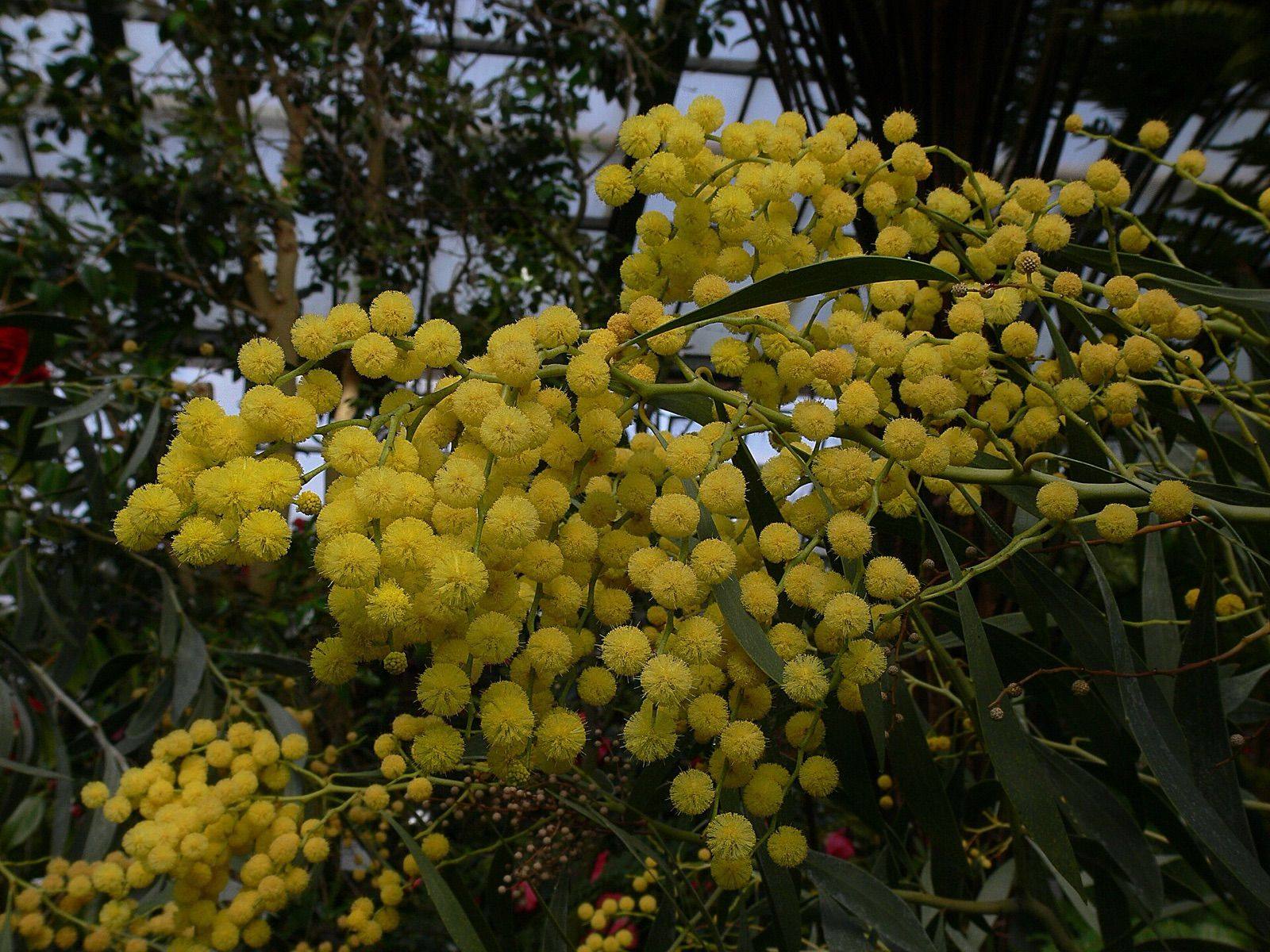
Wattle is Australia's national floral emblem, and golden wattle (Acacia pycnantha) flowers in late winter and early spring, peaking in August and September. National Wattle Day is 1 September. Australia has around 960 Acacia species, so some wattle is flowering in most months, but the florist season for fluffy yellow wattle is winter into early spring. Cootamundra wattle (Acacia baileyana), with its silvery foliage, is a common cut line, and Brisbane's Northside Flower Market lists wattle in September. Buy it fresh and use it quickly.
Sold by the bunch in a short late-winter window. Being confirmed
Give the bunch a gentle shake. If yellow balls rain down, it's past its best. The foliage, whether the feathery leaves of Cootamundra wattle or the long, flat leaves of golden wattle, should be supple and fresh, not dry or curling at the edges. Fresh wattle has a light honey scent, and dull, brownish balls mean it was cut too long ago. A single bunch is plenty for a big jug, as the branches are full and spread wide. Buy it on the day you want it rather than a few days ahead. August is the most reliable month, before the season winds down in September.
Bondi NSW · est. 1992
A Bondi Road florist since 1992, with seasonal bouquets, arrangements, roses and potted orchids, and a weekly note on what's at market.
Wattle is Australian native.
Most wattle in florist buckets is cut from Acacia plantings on native flower and foliage farms, and some comes from windbreaks and bush blocks on private land. Being confirmed Cootamundra wattle is grown as much for its silvery foliage as its flowers. In the wild, wattles grow almost everywhere in Australia, from coastal heath to desert, and many are quick pioneer plants that spring up after fire. They fix nitrogen, which helps them thrive in poor soils. Golden wattle is native to South Australia, Victoria, southern NSW and the ACT, flowering in open woodland. In gardens most wattles grow fast and flower within a few years.
Stems at Australian markets are mostly grown here, so when it is out of season it is hard to find. Being confirmed
Colours
Varieties to ask for
Making it last
Wattle shares its late winter weeks with banksias, waxflower, grevillea, boronia, daffodils and the first tulips and ranunculus. Golden wattle with white waxflower and grey eucalyptus makes a classic Wattle Day jug. Use a wide-mouthed jug or bucket that lets the branches spread, and put it somewhere cool, away from heaters. The balls stay fluffy for a few days, then shrink and fade to a dull mustard. Wattle dries reasonably well. Hang small bunches upside down in a dark, airy spot for a week or two. The colour dulls, but it holds its shape for wreaths.
Australia's national floral emblem, celebrated on National Wattle Day, 1 September.
Canberra
Best: September to NovemberBeing confirmed
Golden wattle flowers in late winter and early spring, peaking in August and September. With hundreds of species, some wattle flowers in most months somewhere in the country, but florists mostly have fluffy yellow wattle from winter into September.
National Wattle Day is 1 September each year, the first day of spring, when golden wattle is at or near its peak. It is a good time to visit a botanic garden with a big wattle collection, such as the Australian National Botanic Gardens in Canberra.
Around 960 of the world's 1,300 or so Acacia species are native to Australia, according to the Botanic Gardens of Sydney. That diversity is why you can find a wattle in flower in almost any month somewhere in the country.
Less than most people think. The Australasian Society of Clinical Immunology and Allergy says wattle is often blamed for spring hay fever, but tests rarely confirm it. Wattle pollen is heavy and sticky and is carried by insects rather than wind, so it mainly affects people very close to the flowers. Grass pollen, which is about at the same time, is the usual culprit.
In Europe, yes. Florists in France and Italy sell Australian wattle as mimosa, mostly silver wattle (Acacia dealbata), which was taken to the French Riviera in the 1800s and now grows wild there. In Italy it is the traditional gift on International Women's Day, 8 March. Botanically, true Mimosa is a different genus that includes the sensitive plant.