Founding florist
Tulipanna
Bondi NSW · est. 1992
A Bondi Road florist since 1992, with seasonal bouquets, arrangements, roses and potted orchids, and a weekly note on what's at market.
Australian nativeGrevillea hybrids
Grevillea is available all year in Australia, from local growers.Being confirmed
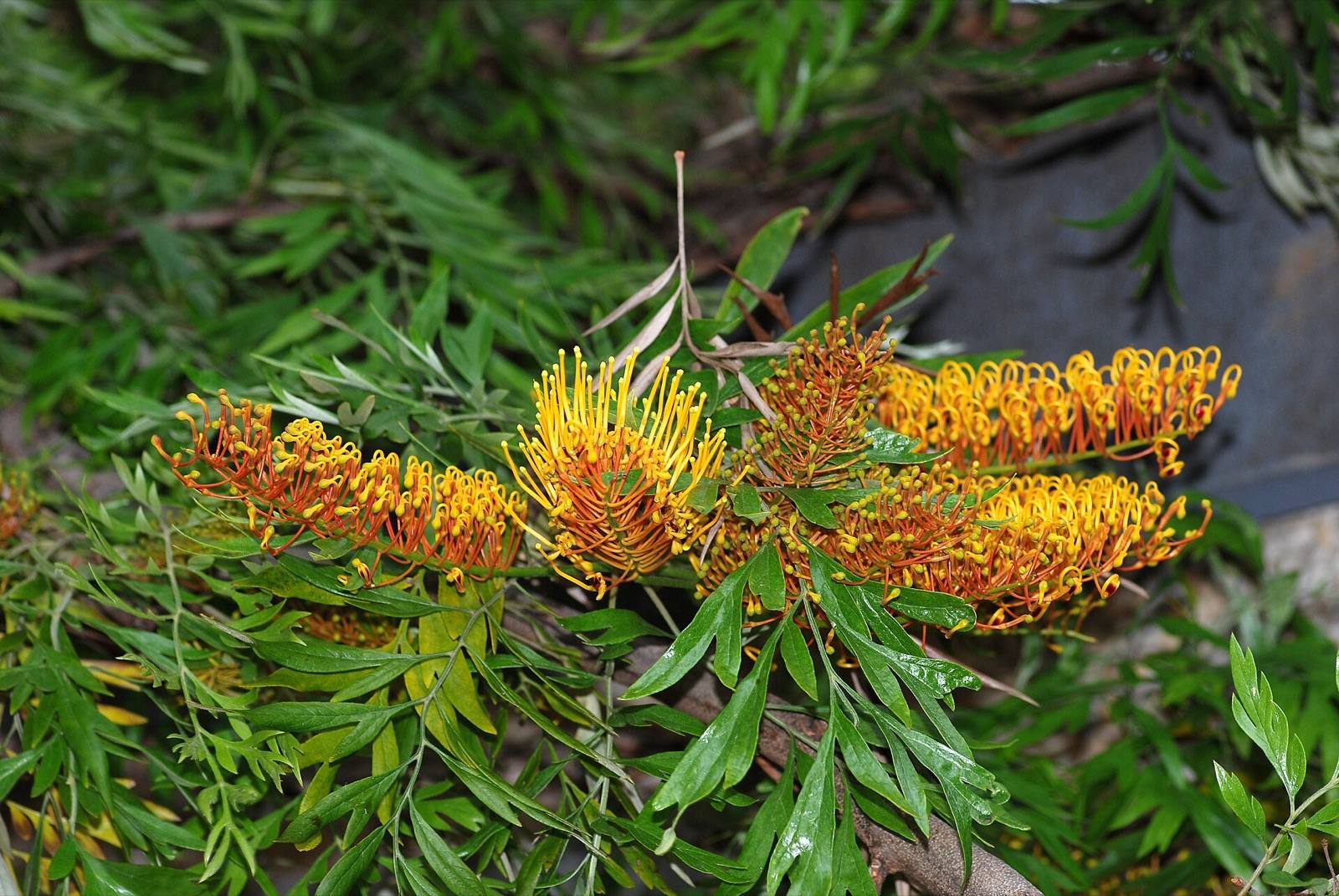
Grevilleas are among the most generous natives for cutting, because the large-flowered hybrids florists use flower on and off for most of the year. Cultivars such as 'Moonlight' (creamy white), 'Superb' (orange-pink), 'Misty Pink' and 'Honey Gem' (golden) are the usual cut stems, and each has its own rhythm rather than one national peak. The spidery flower heads are rich in nectar, which is why honeyeaters love the plants. Interest peaks in spring, when gardens are at their best, but stems can be found in most months.
Priced by the stem or bunch. Being confirmed
Look for heads that are partly open, with some of the flowers curled back and the rest still tightly wound. Being confirmed The styles, the thin loops that spring out of each flower, should be bright and firm, not dry or browning at the tips. Leaves should be green and flat, and the stem clean where it was cut. Shake gently, and if flowers drop, the stems are old. Each head is large, so three to five stems make a good vase, and one 'Moonlight' stem can hold a jug on its own. Spring brings the widest choice of colours, as more cultivars are flowering at once.
Bondi NSW · est. 1992
A Bondi Road florist since 1992, with seasonal bouquets, arrangements, roses and potted orchids, and a weekly note on what's at market.
Grevillea is Australian native.
There are more than 350 grevillea species, most of them from Australia, ranging from groundcovers to tall trees. Being confirmed The big-flowered cut types, such as 'Moonlight', 'Superb' and 'Honey Gem', are hybrids bred from tropical and subtropical species, so they grow best in warm climates from Sydney north and in Perth. Being confirmed Commercial stems come from native flower farms, many in south-east Queensland, northern NSW and WA, often grown alongside banksia and protea. Being confirmed In gardens they need full sun, free-draining soil, low-phosphorus fertiliser and a light prune after each flush to keep new flowering wood coming.
Stems at Australian markets are mostly grown here, so when it is out of season it is hard to find. Being confirmed
Colours
Varieties to ask for
Making it last
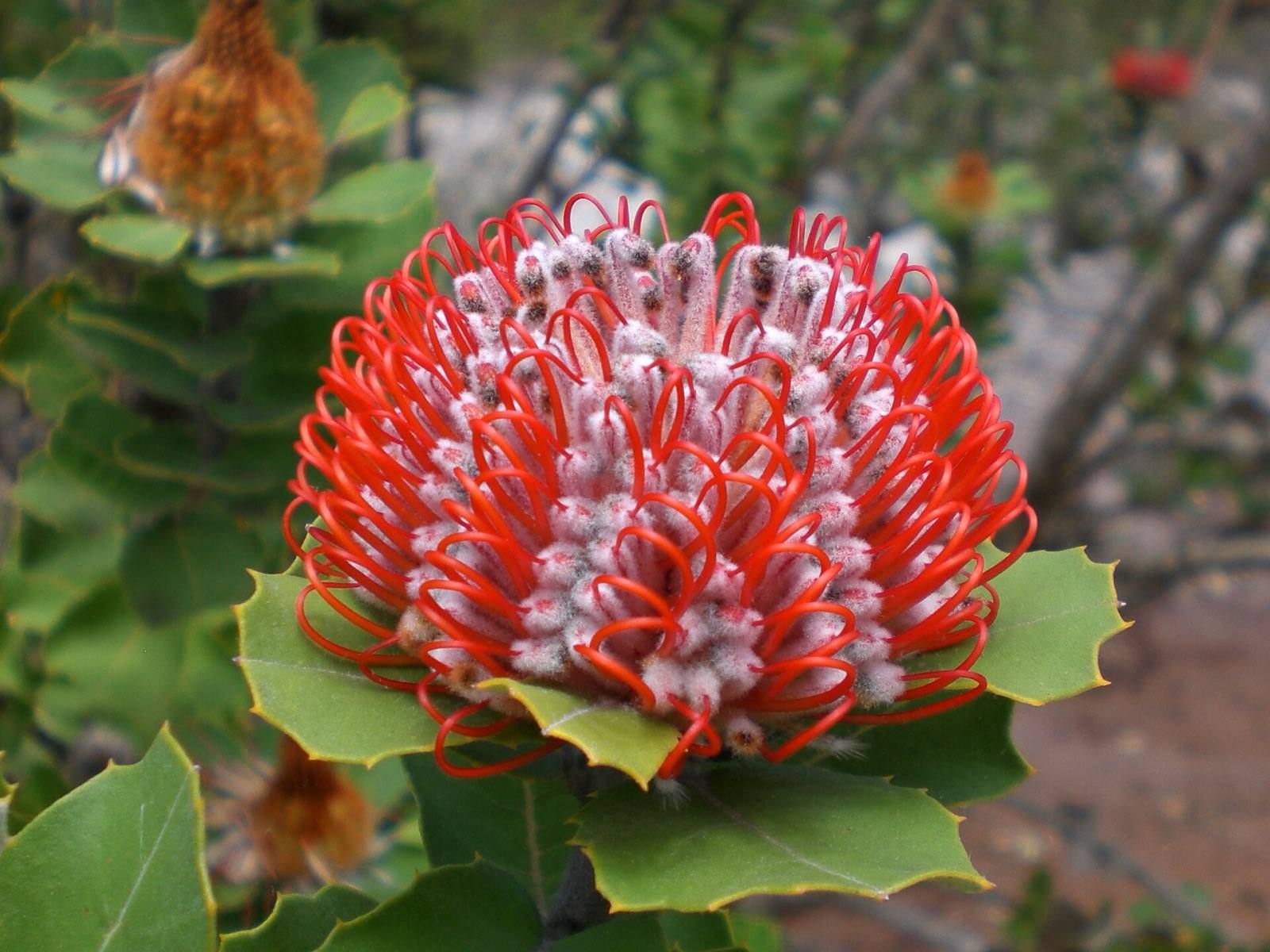
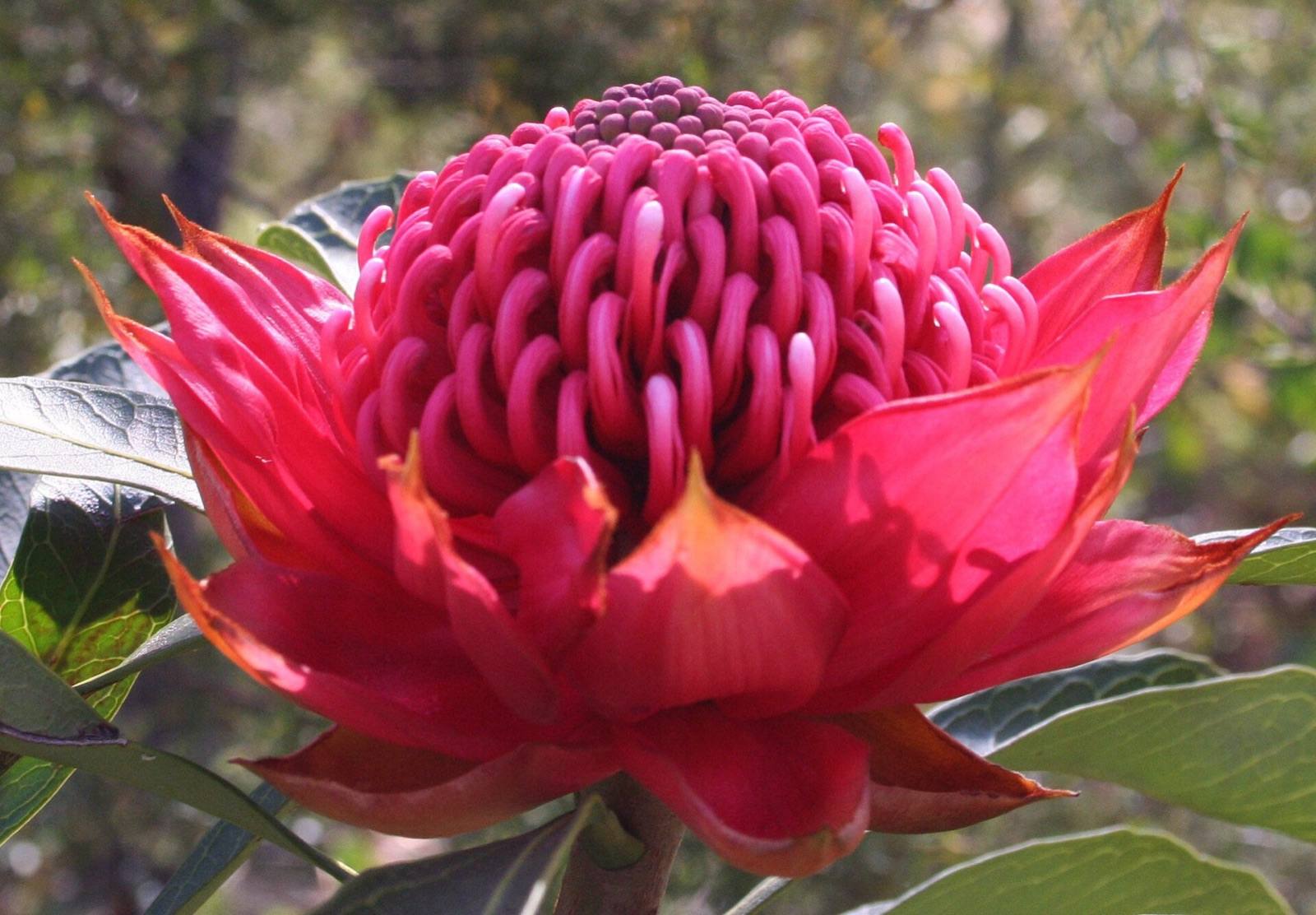
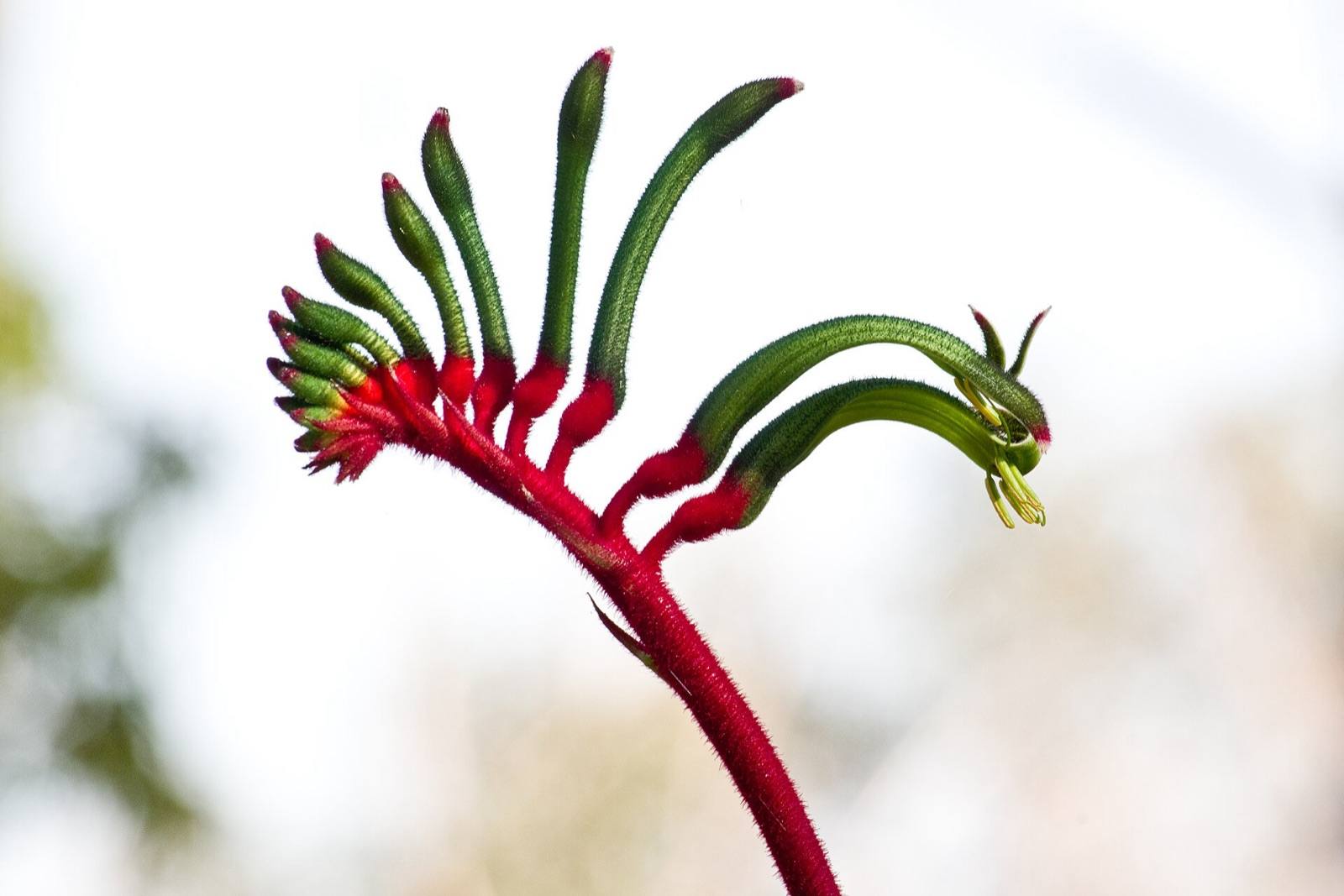
Grevilleas bring texture that softer flowers lack. Pair them with banksia and protea for a sturdy native bunch, or with kangaroo paw and waratah in spring. For a quieter look, mix creamy 'Moonlight' with eucalyptus and nothing else. Use a heavy vase or jug, as the heads and woody stems are weighty. Over the first days the unopened flowers spring out and the head fills, then the older flowers dry and brown from one end. The leaves dry well, but the flowers tend to shed. Being confirmed
Sydney
Best: August to OctoberBeing confirmed
Canberra
Best: September to NovemberBeing confirmed
The large-flowered hybrids used as cut flowers spot-flower for most of the year, so there is no single season. Each cultivar has its own flushes. Spring is when most people look for them and when gardens are fullest, but florists can usually find stems in most months.
The big-flowered hybrids. 'Moonlight' gives creamy white heads, 'Superb' orange-pink, 'Misty Pink' soft pink and 'Honey Gem' golden. ANPSA lists 'Misty Pink', 'Moonlight' and 'Superb' among the grevilleas commonly sold as cut flowers.
Yes. The flowers are full of nectar and honeyeaters visit constantly. Large-flowered types like 'Moonlight' and 'Honey Gem' flower for long stretches, so they keep feeding birds for much of the year.
Some grevilleas, including 'Robyn Gordon' and relatives of Grevillea banksii, contain compounds that can release cyanide, mostly in the flowers, young leaves and seeds. There appear to be no reported cases of harm to animals, but it is sensible to stop dogs chewing the plants or fallen flowers. Being confirmed
Some hybrids, notably 'Robyn Gordon', contain tridecylresorcinol, a chemical related to the irritant in poison ivy. It can cause itchy allergic dermatitis in sensitive people. Wear gloves and long sleeves when pruning, wash your skin afterwards, and handle cut stems carefully if you have reacted before.