Guide
How to choose Australian native flowers
Updated 26 September 2026
Australian natives are some of the longest-lasting flowers you can buy, and a few of them keep going for months once they’re dried. They’re also more seasonal than the roses and lilies that sit in florists’ buckets all year. Knowing what’s in each month, what a fresh stem looks like and which stems will dry well gets you a lot more for your money. The full list lives on the natives page.
What’s in season, and when
The months below come from our flower pages and are national best estimates. Timing moves with the state, the altitude and the weather, and farmed hybrids often stretch a season at either end.
Autumn: March to May
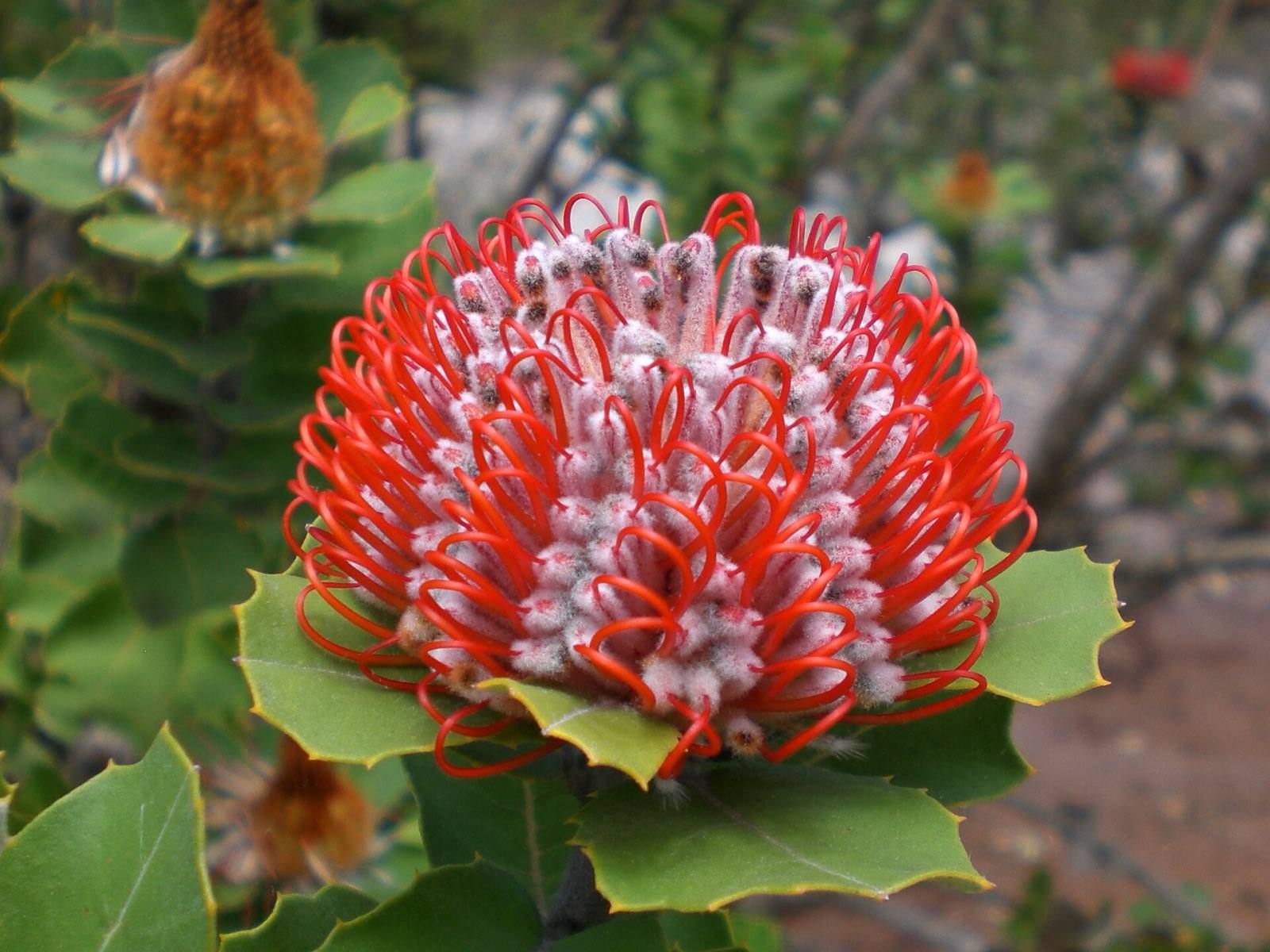
Autumn is quiet for natives. Banksia arrives from about April, with the Western Australian species that dominate the trade flowering through the cooler months. Grevillea and eucalyptus are around all year, so they carry the native buckets until winter. You’ll also see protea from March. It’s grown on the same farms and sold alongside natives, but it comes from South Africa.
Winter: June to August
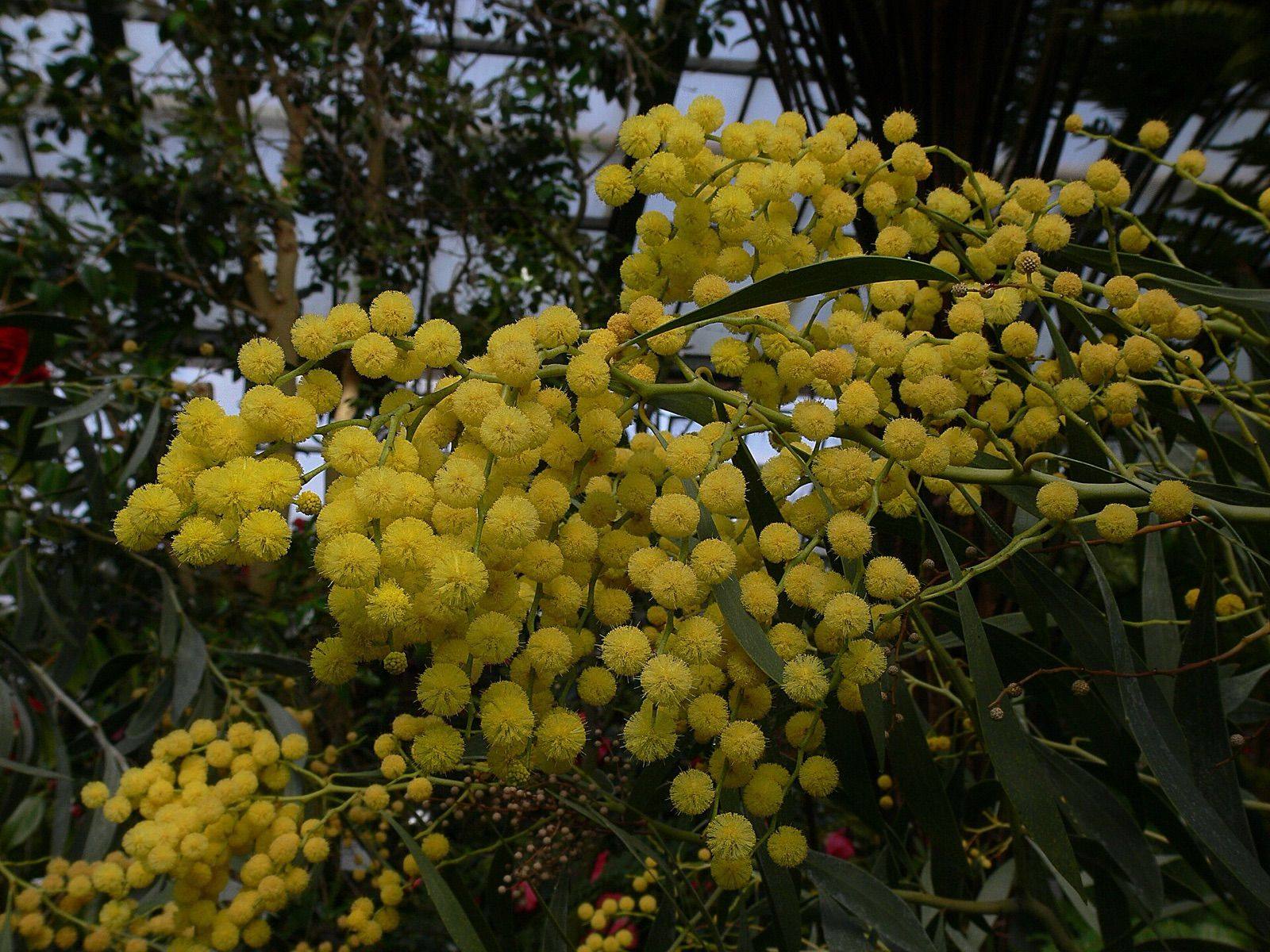
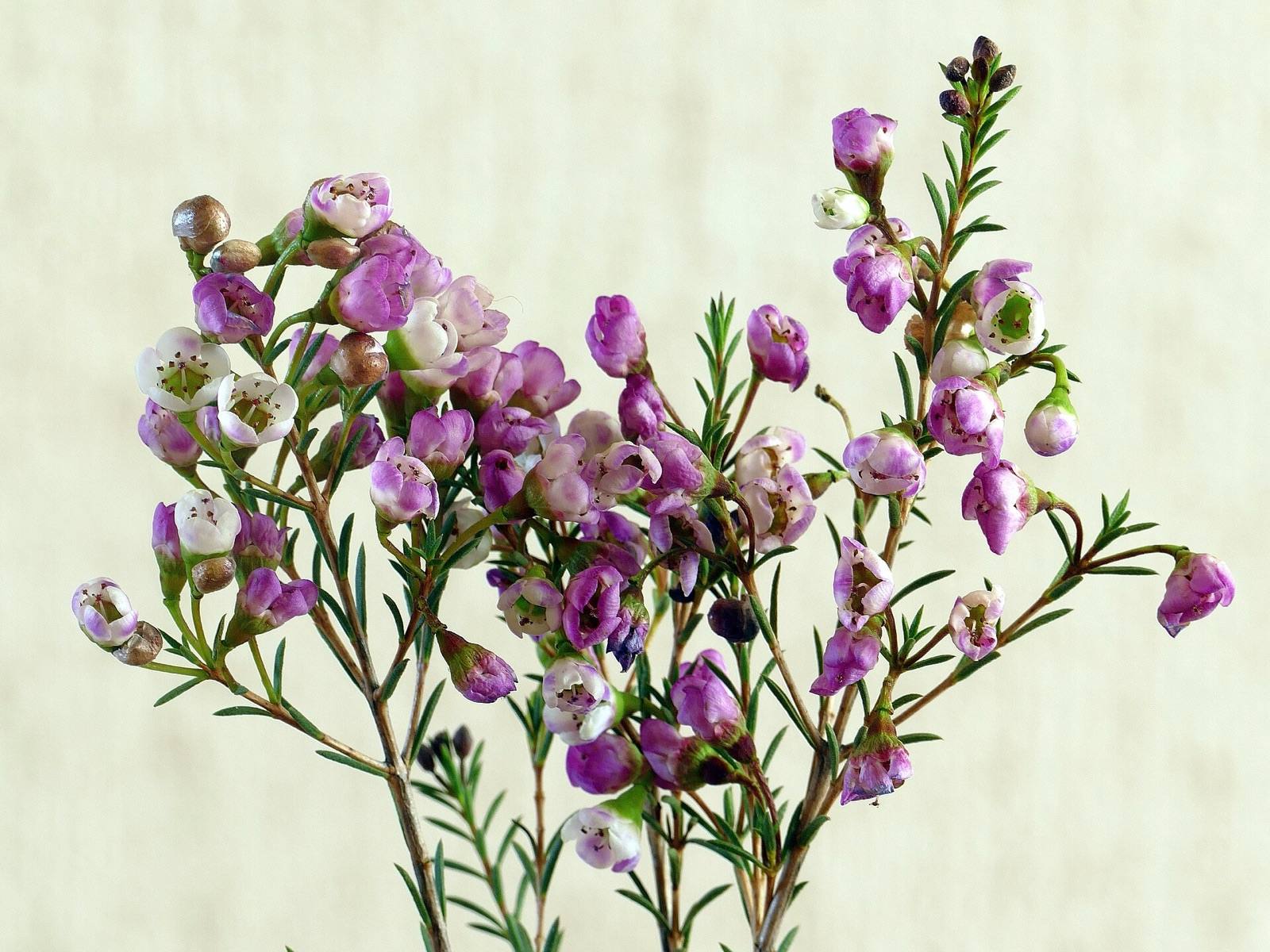
Banksia keeps going, and in July wattle and waxflower start. Golden wattle peaks in August and September. Waxflower is the long-lasting filler florists lean on, and the main harvest runs from about July to November. In August the scented boronia and the paper-textured everlasting daisy arrive, both in short windows.
Spring: September to November
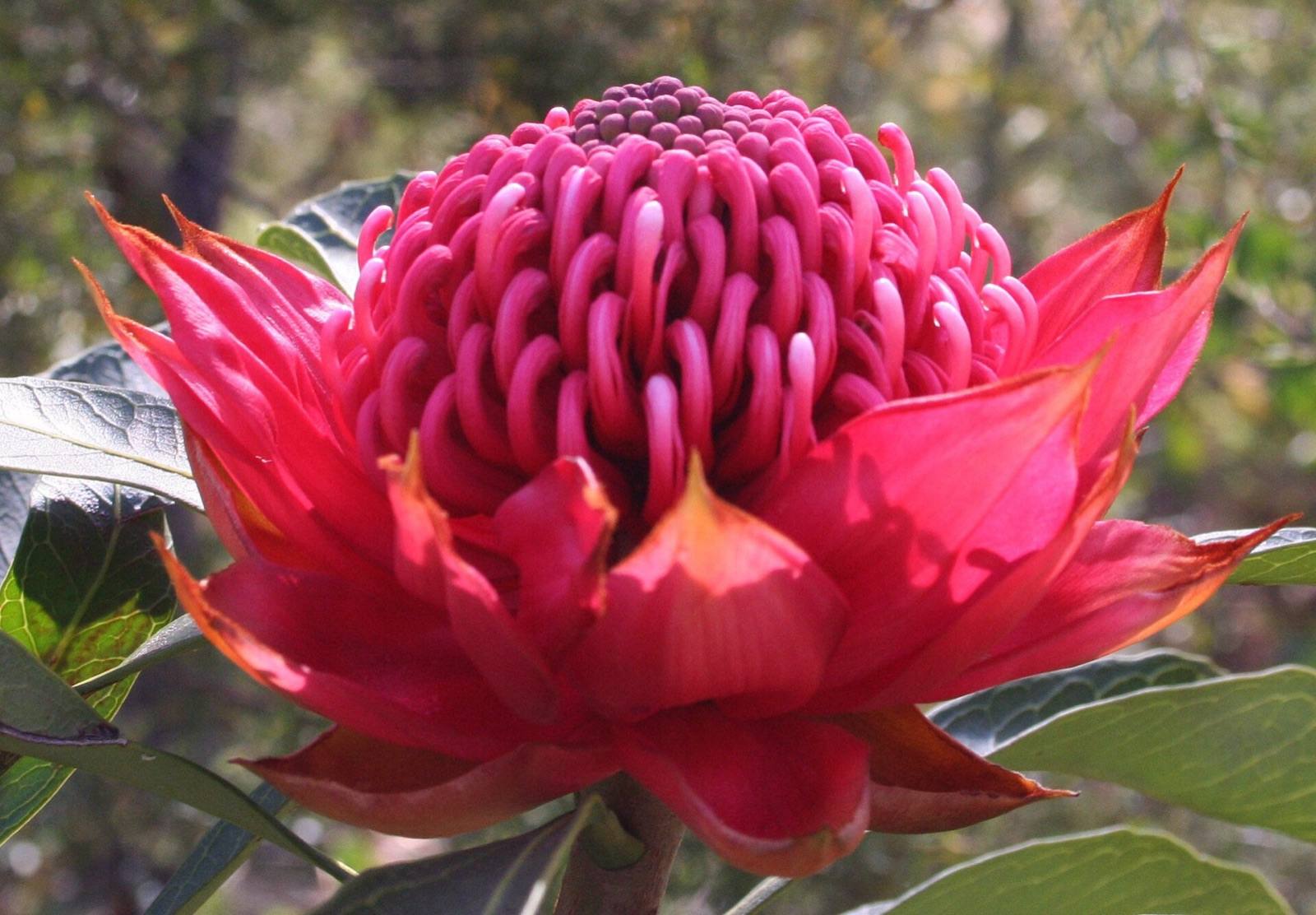
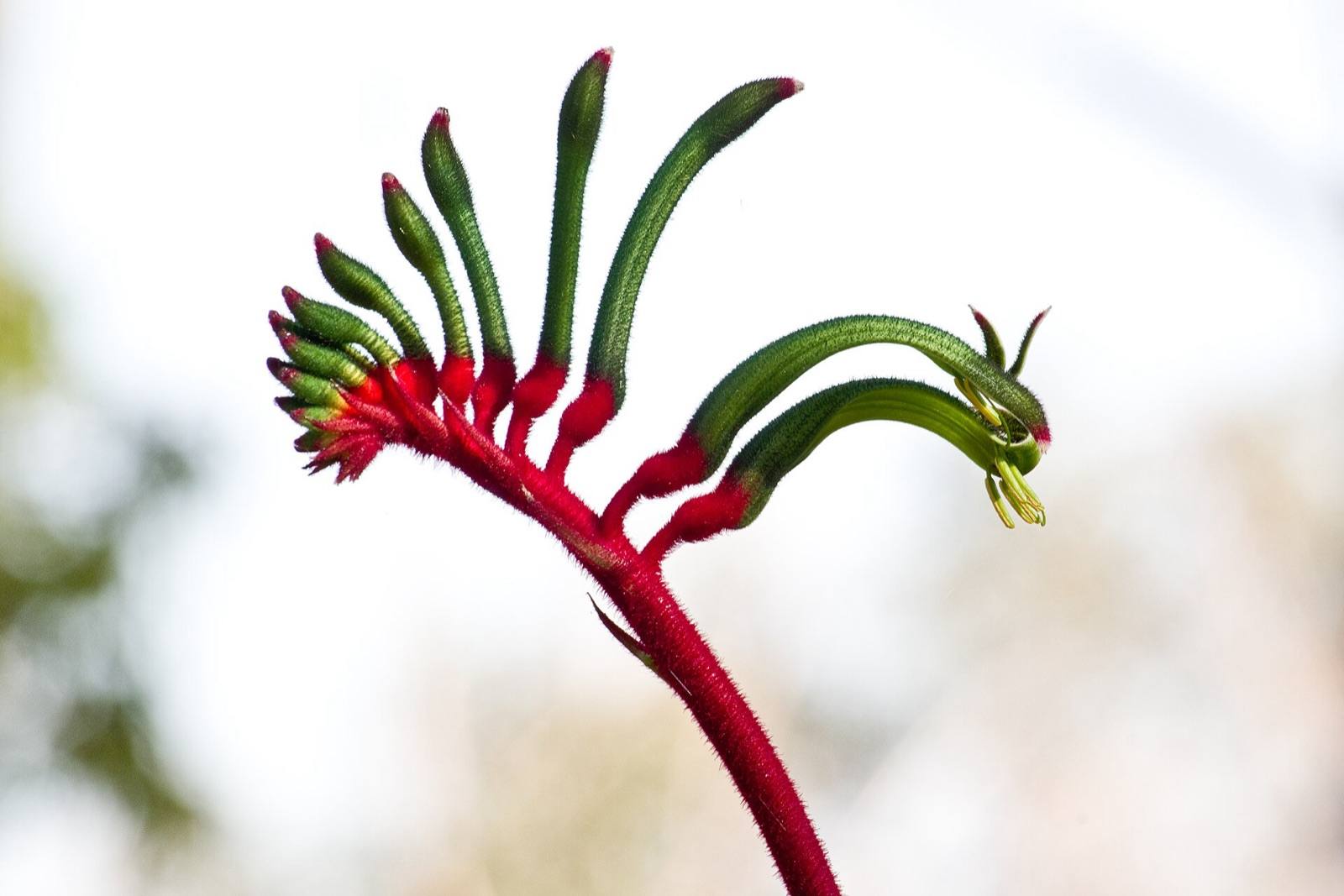
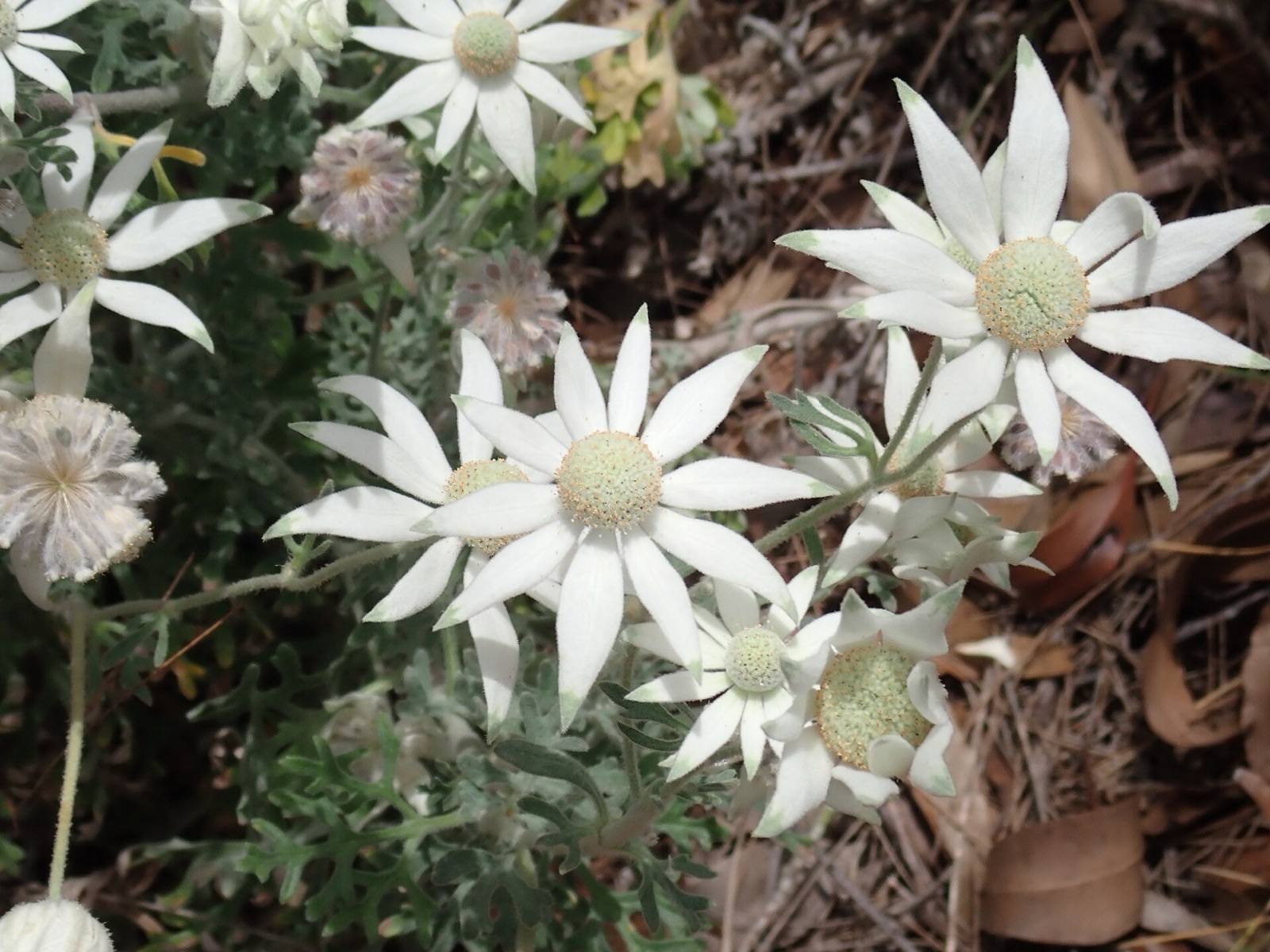
This is the main event. Waratah runs from September to November, kangaroo paw and flannel flower start in September, and boronia, everlastings, banksia and waxflower are all still around in October. If you only buy natives once a year, buy them in spring. The September and October calendar pages have the widest native lists of the year.
Summer: December to February
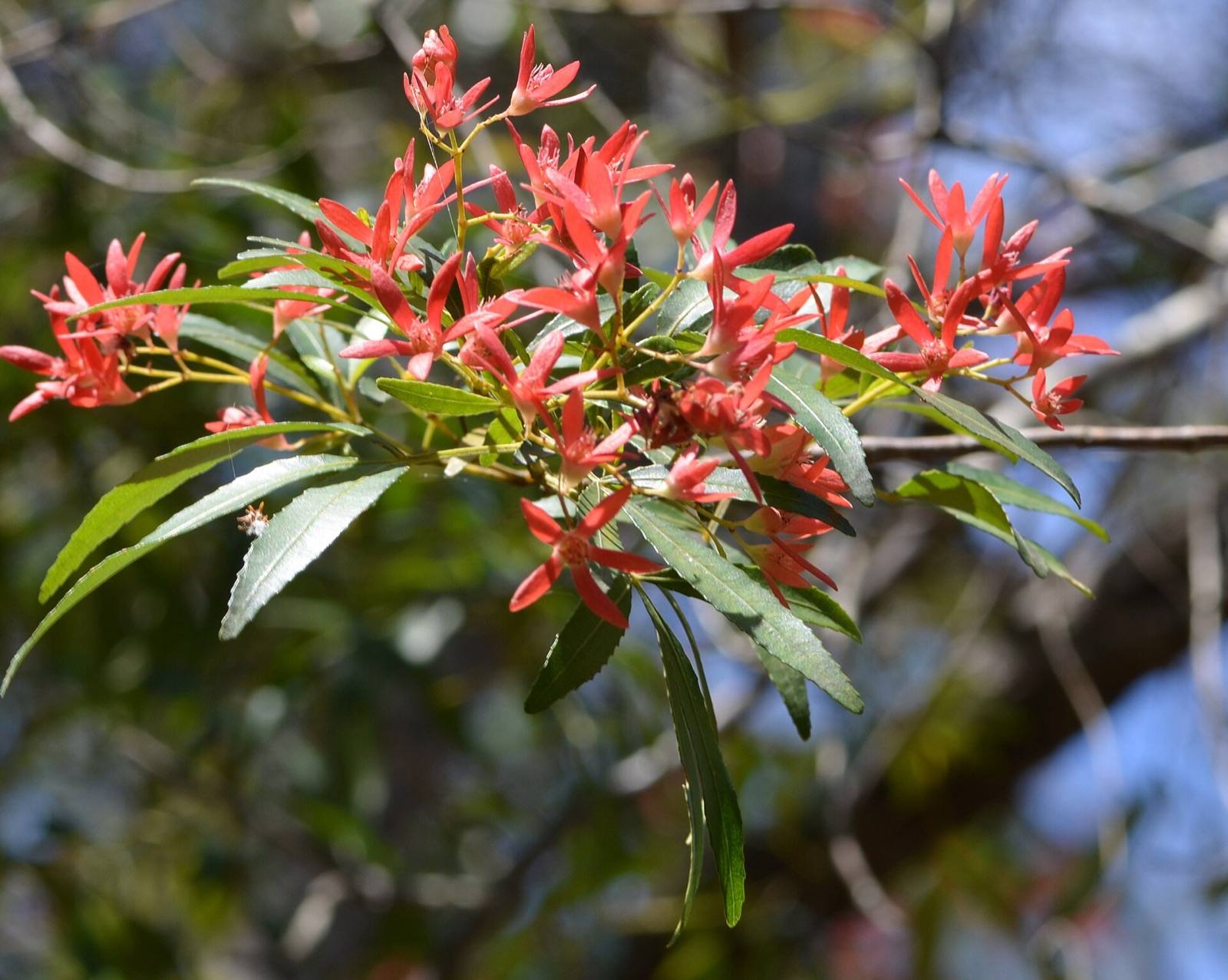
NSW Christmas bush is the summer native, turning red through November and December. Flannel flower and kangaroo paw carry into December. By January and February the choice narrows to grevillea and gum foliage, with the odd hybrid kangaroo paw.
How to tell a fresh stem
Start with the basics. Leaves should be firm and not curling or yellowing, stem ends should be clean rather than slimy, and the bucket water should look clear. Then look for the right stage of opening, which differs by flower:
- Waratah: only the outer florets should have opened. A head that is fully open all the way to the centre is near the end.
- Wattle: about half the balls fluffy and the rest still tight. Fully fluffy wattle drops within days.
- Boronia: about half the flowers on each stem open, which is also when the scent is strongest.
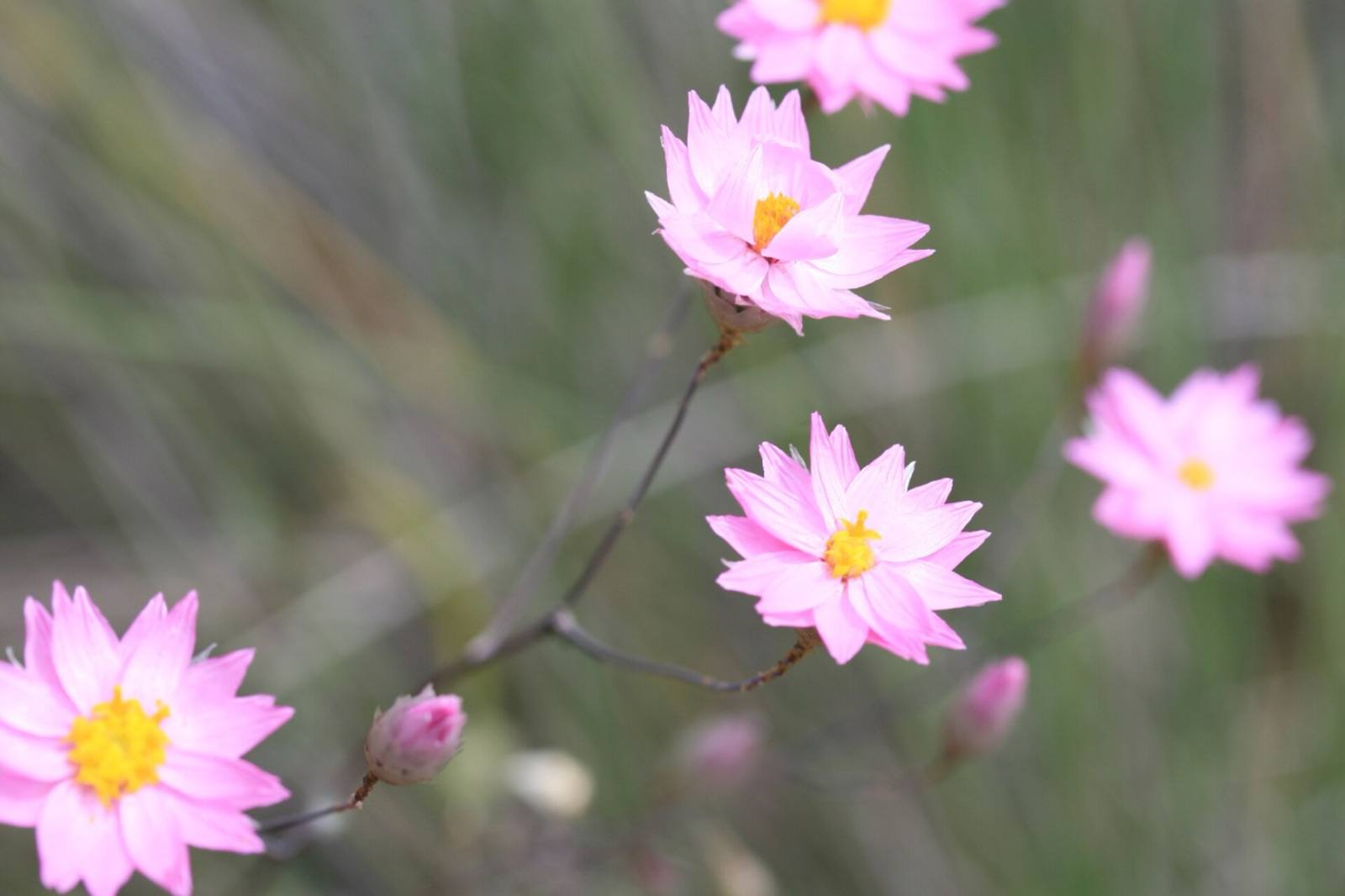
- Everlasting daisy: flowers just opened, with firm stems. The stems soften quickly in water.
- Christmas bush: the red sepals fully coloured along the stem, not patchy or still cream.
- Kangaroo paw: velvety flowers along the stem with no dry, spent ones at the base.
- Waxflower: give the bunch a gentle shake. A few loose flowers are normal. A shower of them means it’s old or has been near fruit.
- Flannel flower: clean, soft grey-white heads with no brown marks on the velvety bracts.
- Grevillea: fine styles intact, not snapped or browning at the tips.
Don’t be shy about asking when the stock came in. Florists and market stallholders get asked all the time.
Which natives dry well
Several natives are worth buying partly for their second life as dried flowers.
- Banksia is one of the best. The heads keep their shape and much of their colour.
- Everlasting daisy is named for it. The papery bracts hold colour, which is why dried everlastings are sold all year.
- Eucalyptus dries well standing in an empty vase or hung in bunches, and the scent lingers.
- Protea, the South African stem sold beside natives, also dries well, though the colour softens over time.
The method is simple. Once the fresh stems are past their best, tip out the water and leave them standing in the empty vase, or tie small bunches and hang them upside down somewhere dark, dry and airy. Keep dried flowers out of direct sun so the colour holds. Wattle and boronia are better treated as fresh flowers. Enjoy them for the week they last.
Farmed or wild-picked
Buy farmed. Many popular natives are now grown on farms for the cut-flower trade, and farmed stems are usually more even, longer in the stem and better conditioned than anything picked in the bush.
Some wild picking is restricted. Wild waratahs and flannel flowers should be left where they grow, and picking them is restricted in NSW. Sturt’s desert pea is protected in South Australia and should never be picked in the wild. It’s rarely sold as a cut flower anyway, so it’s one to see growing. The same goes for Geraldton wax in the WA bush: the farmed version is sold as waxflower.
If you’re not sure where a bunch came from, ask. A good florist will know which farm or wholesaler it came through. Be wary of roadside stalls selling wild-looking natives with no clear source.
Buying tips
- Order ahead for the short seasons. Boronia’s cut window is only a few weeks, so ask your florist from late winter. Christmas bush demand peaks in the fortnight before Christmas.
- Know how it’s sold. Waratah, banksia, protea, flannel flower and kangaroo paw are usually priced by the stem, with bigger heads costing more. Wattle, waxflower, Christmas bush and eucalyptus are usually sold by the bunch.
- Mix with care. Keep waxflower and anything else sensitive to ethylene away from fruit in the same room. Heavy waratahs need a heavy vase.
- Buy at market for volume. If you want a lot of stems for an event, a wholesale market can work out well. The flower market guide explains which ones let the public in.
See them growing
For the full picture, see natives where they grow. Kings Park in Perth is at its peak in September and October, and Coalseam Conservation Park turns pink and yellow with everlastings after good winter rain. Take photos and leave the flowers where they are. Once your stems are home, the flower care guide covers getting the most out of them.
Flowers in this guide