Guide
How to keep cut flowers fresh in Australian conditions
Updated 26 September 2026
Most cut flowers die early for the same three reasons: bacteria in the water, stems that can’t drink, and heat. Australian homes add a few problems of their own. A vase on a sunny bench can be sitting in warm water by mid-afternoon, air-conditioning dries petals out, and a bunch left in a hot car while you finish the shopping loses a day before it reaches the vase. The routine below deals with all of that. After it, there’s a section for each main flower group, because a waratah and a tulip want quite different handling.
The basic routine
1. Get them into water fast
Flowers start losing water the moment they come out of the bucket. For a long trip home, ask for a water pack or wet paper around the stems. In summer, make the flowers your last stop, not your first. If you can’t arrange them straight away, stand the whole bunch in a sink or bucket of cool water.
2. Start with a clean vase
Wash the vase in hot, soapy water and rinse it well. Bacteria left over from the last bunch will clog new stems within a day or two. If you can feel a slippery film on the inside of the glass, it isn’t clean yet.
3. Recut every stem
Take 2 to 3cm off each stem with sharp secateurs or a knife, on an angle for most flowers. Blunt scissors crush the water channels you’re trying to open. Strip every leaf that would sit below the waterline. Submerged leaves rot and feed bacteria faster than anything else in the vase.
4. Use the flower food
The sachet that comes with a bunch is worth using. Commercial flower food does three jobs: sugar feeds the flower, an acidifier helps the stems draw water, and a biocide keeps bacteria down. Mix it at the strength on the packet. Too weak does little, and too strong can damage stems.
5. Change the water, don’t just top it up
Every two days, tip the water out, rinse the vase, give the stems a small fresh cut and refill. In summer, do it daily. Topping up an old vase only dilutes the flower food while the bacteria keep growing.
6. Choose the spot
Keep the vase out of direct sun and away from heaters, the top of the fridge and the back of the TV. Air-conditioning helps by keeping the room cool, but a vase sitting in the stream from a vent dries petals and leaves quickly, so put it across the room. Keep flowers away from the fruit bowl too. Ripening fruit gives off ethylene gas, which makes many flowers drop petals or age early.
Summer, heat and air-con
Warm vase water is the biggest single thing that shortens summer flowers, because bacteria multiply faster as the water warms. On hot days:
- Fill with cool tap water and change it every day.
- Use a bigger vase with more water. A small volume heats up faster.
- Move the vase to the coolest room overnight.
- Mist thirsty heads such as hydrangea in the late afternoon.
- Keep bunches out of the car on the way home from the market.
In a heatwave, even long-lasting flowers can halve their vase life. Expect it and change the water more often rather than adding more tricks. The January calendar shows the flowers that handle summer best.
Care by flower group
Woody stems
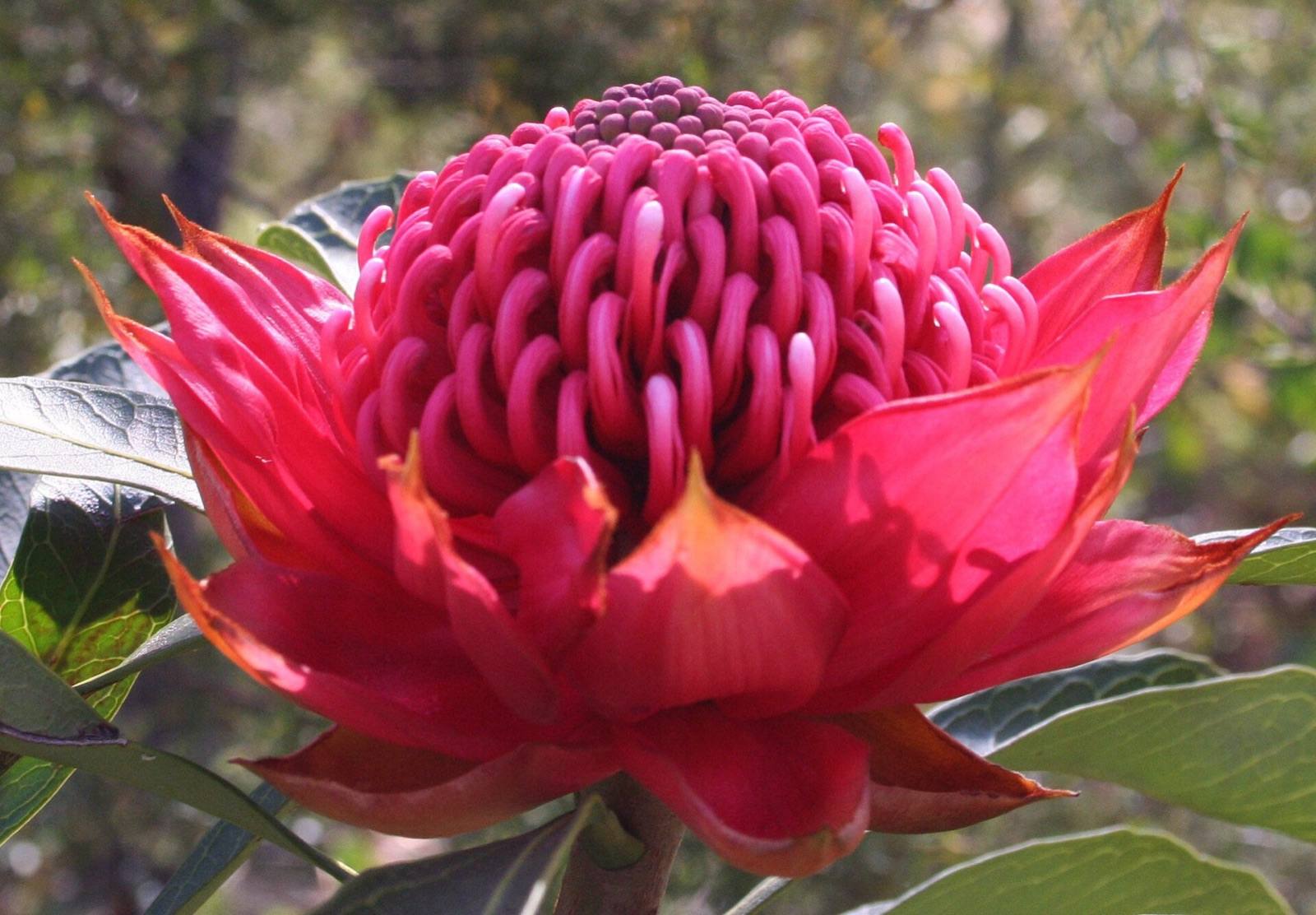
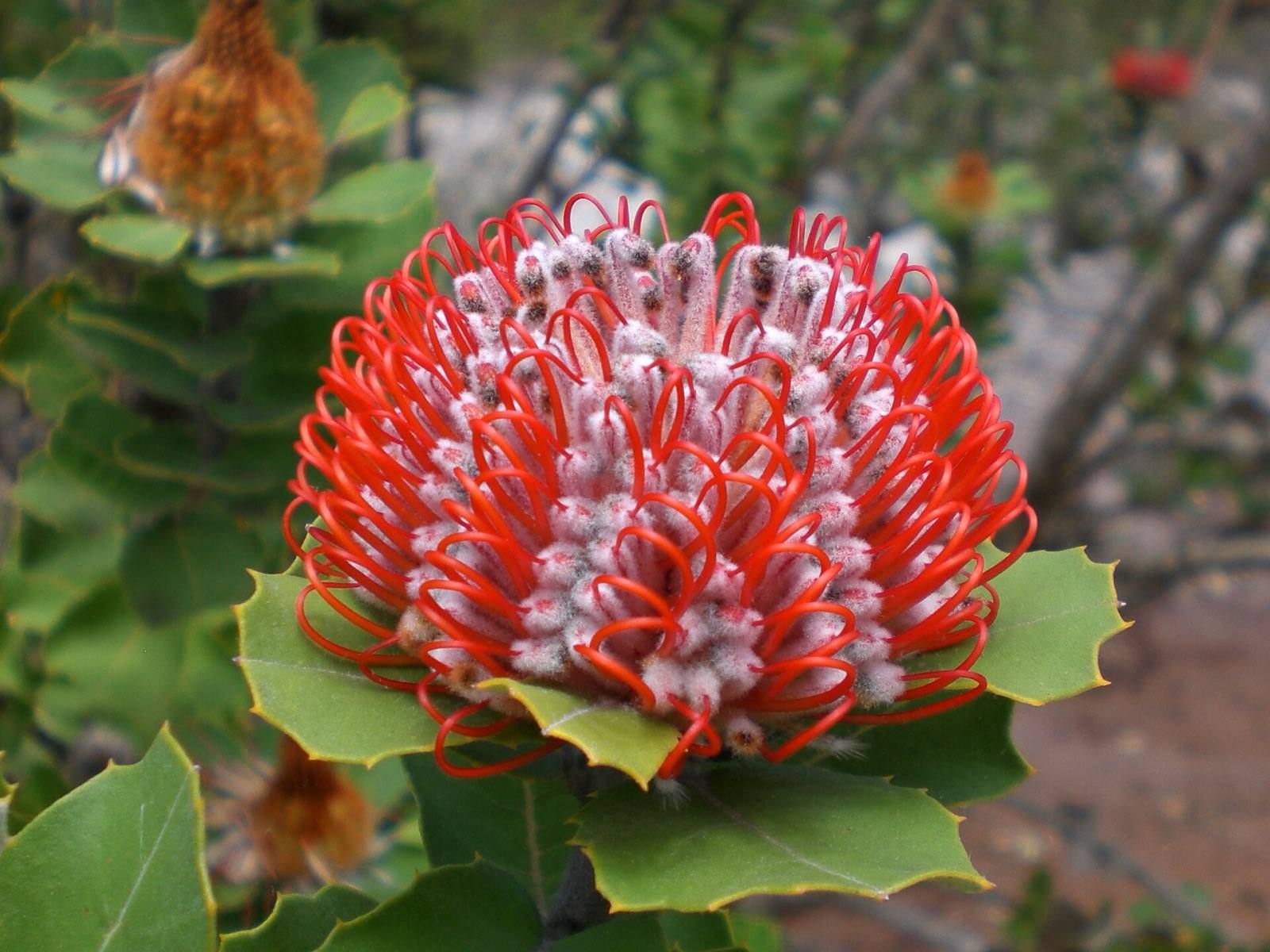
This group covers waratah, banksia, protea, NSW Christmas bush, grevillea and branches such as magnolia. Woody stems drink slowly, so the cut matters most. Use sharp secateurs, cut on a steep angle, and for Christmas bush, grevillea and magnolia, split the bottom few centimetres of the stem. Don’t bash the ends with a hammer. Crushing tears the stem tissue, which then rots.
Strip leaves hard, because protea and banksia leaves foul the water fast, and flower food helps stop protea leaves blackening. Waratahs are top heavy and drink a lot, so use a heavy vase and top up the water daily. Keep them out of hot sun, which browns the bracts.
Bulbs with sap: tulips and daffodils
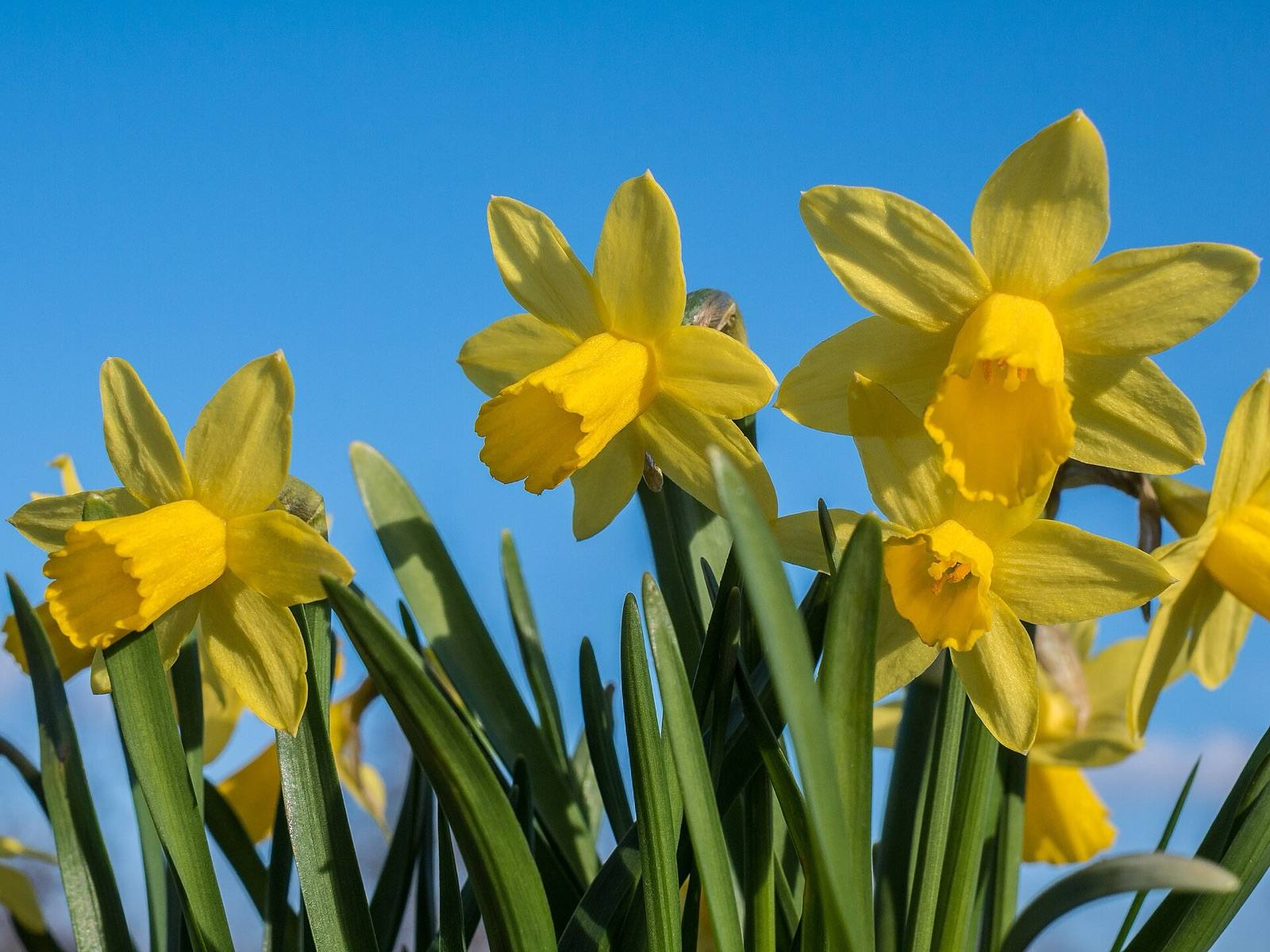
Daffodils and jonquils release a sap that shortens the life of other flowers in the same vase. Recut them and stand them in water on their own for about six hours. After that, add them to a mixed vase without cutting them again, because a fresh cut starts the sap flowing.
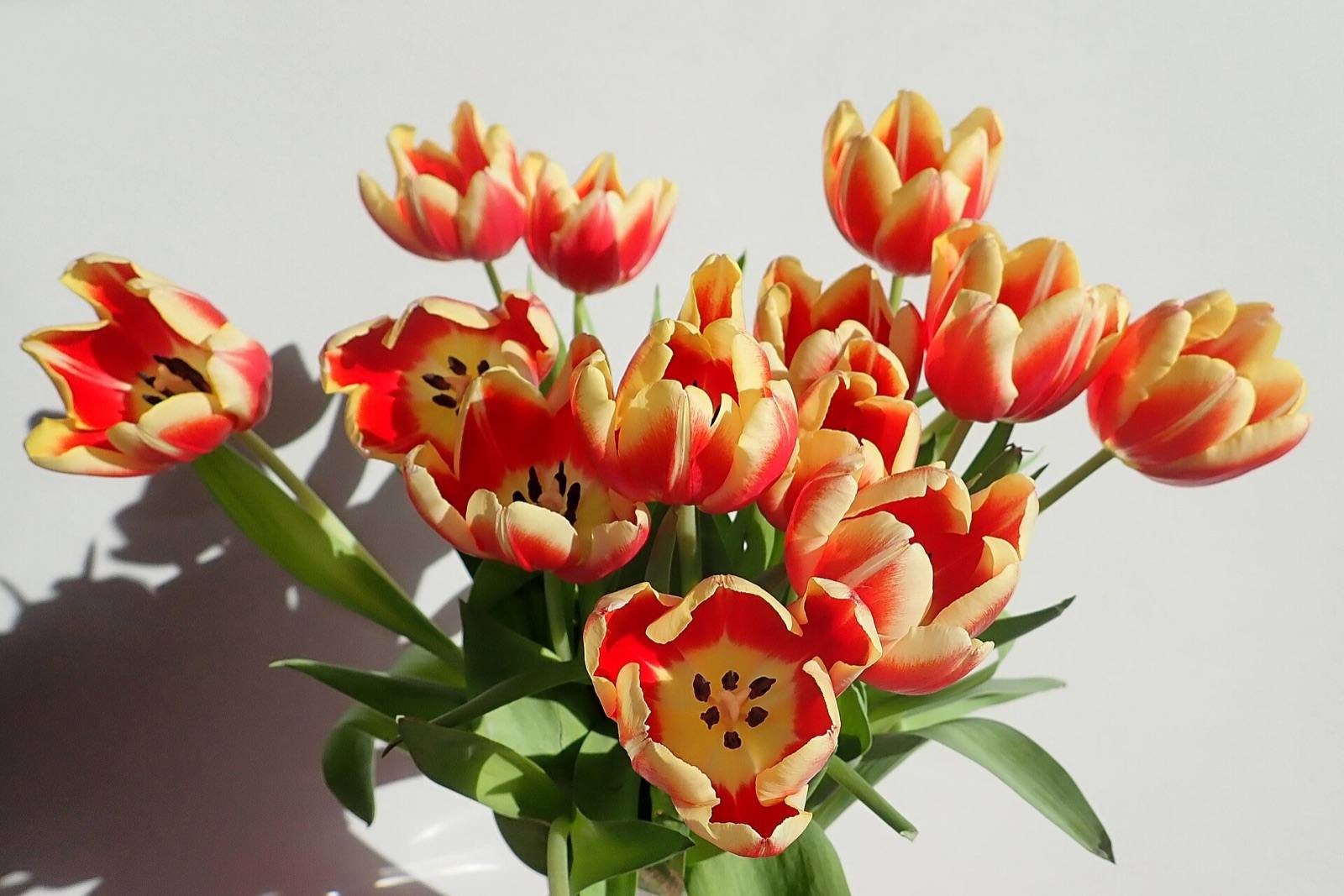
Tulips have different habits. Cut them straight across rather than on an angle, and use only a few centimetres of cold water. They keep growing after they’re cut and bend towards the light, so turn the vase each day and trim the stems every day or two. A warm room makes them open and stretch much faster, so they’re a flower for the cooler end of the house.
Natives
Many natives are tough in the vase, but the fine-leaved ones dry out quickly. Mist wattle and boronia, get wattle into deep water as soon as you’re home, and use it within a few days. Keep waxflower well away from fruit, as ethylene makes it drop its flowers. Flannel flower prefers shallow water and dry flower heads, so don’t mist it. Kangaroo paw is happy with water about a third of the way up the stems. The native buying guide covers choosing fresh stems and drying them afterwards.
Soft stems
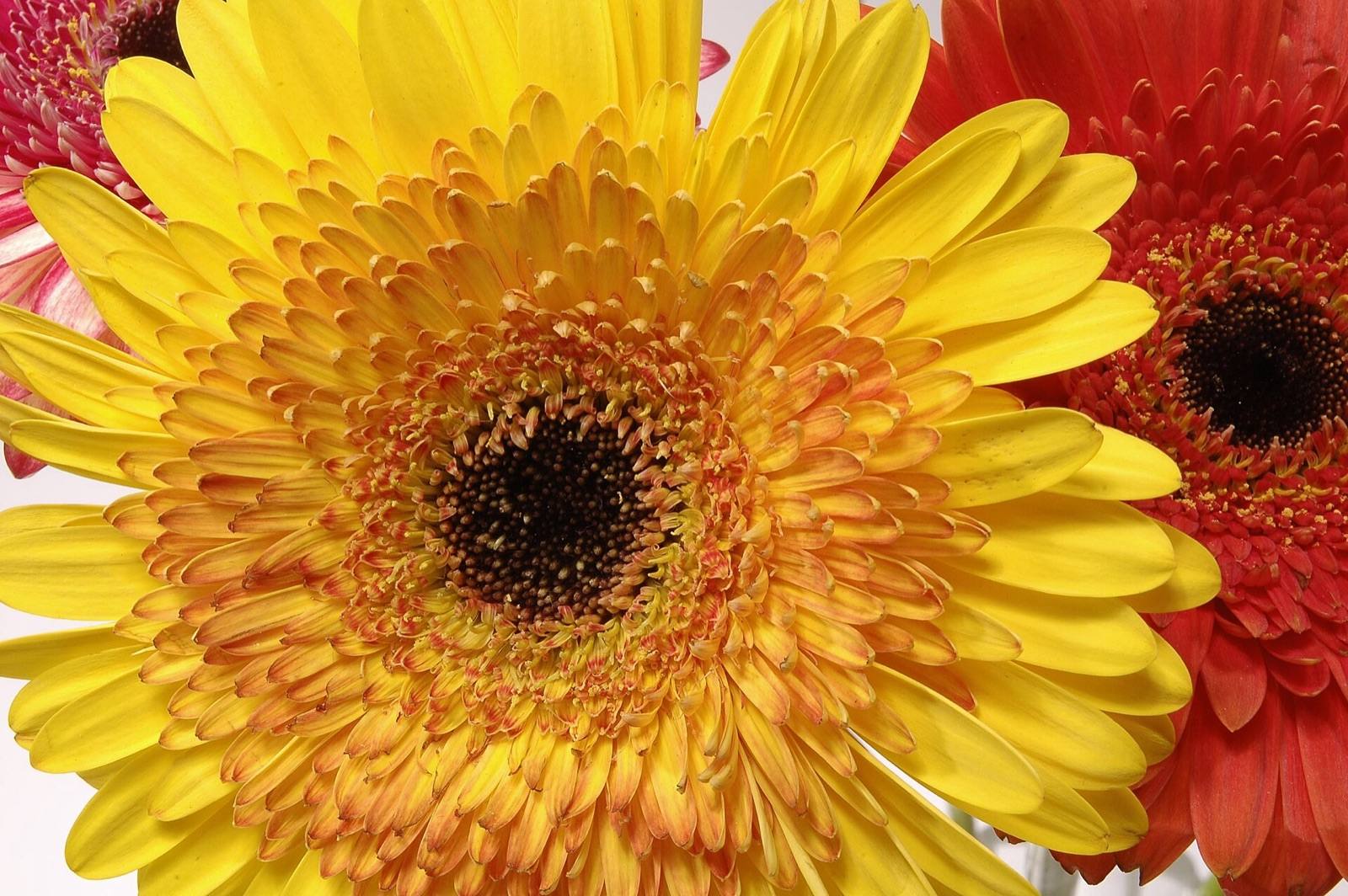
Soft, hollow or fleshy stems rot if they sit too deep. Keep gerberas in about 10cm of water. A bending gerbera stem usually means bacteria are blocking it, not that the flower is finished. Ranunculus and anemones have hollow stems that bruise easily, so use a shallow amount of cool water and skip floral foam. Dahlias cloud the water quickly, so change it daily.
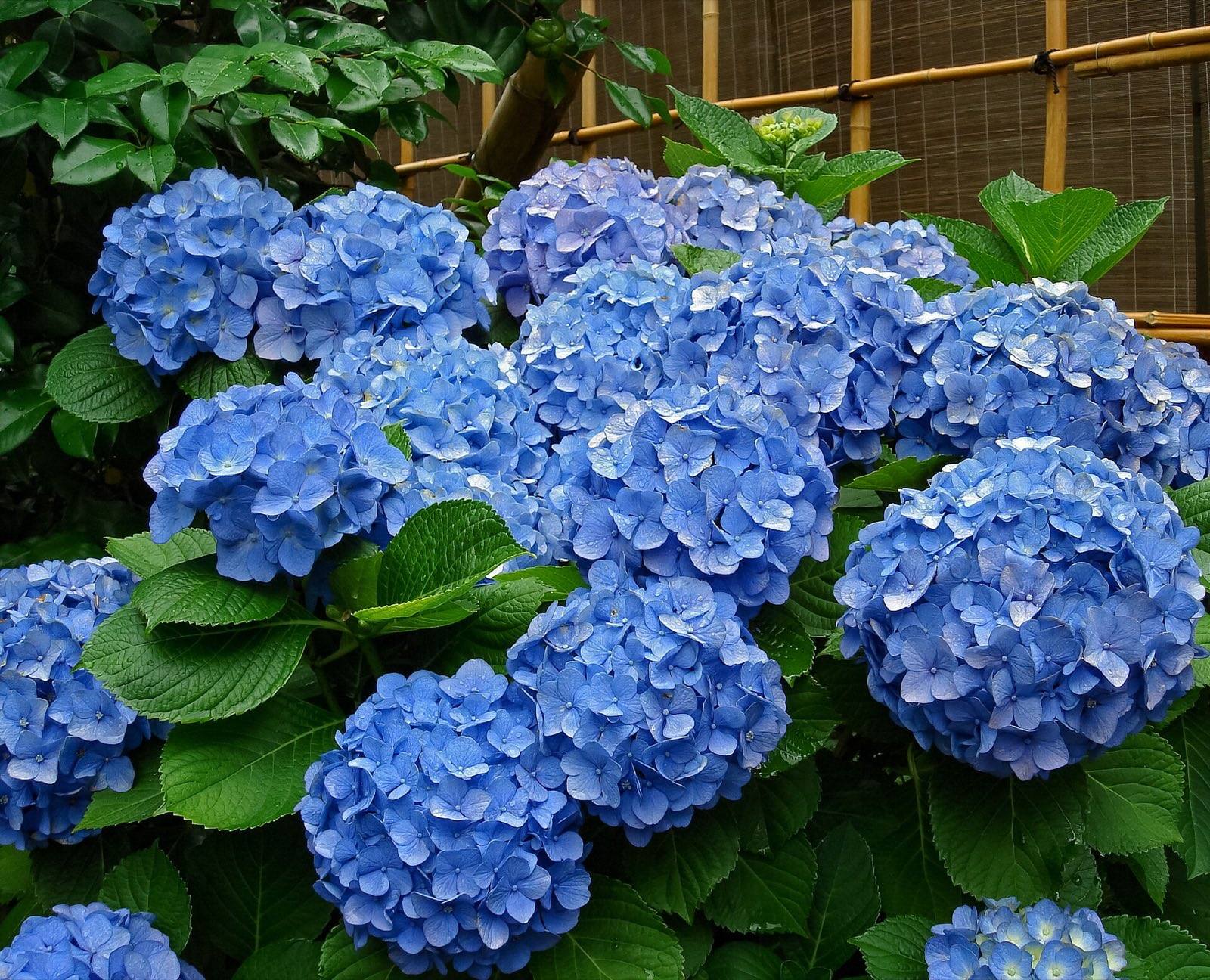
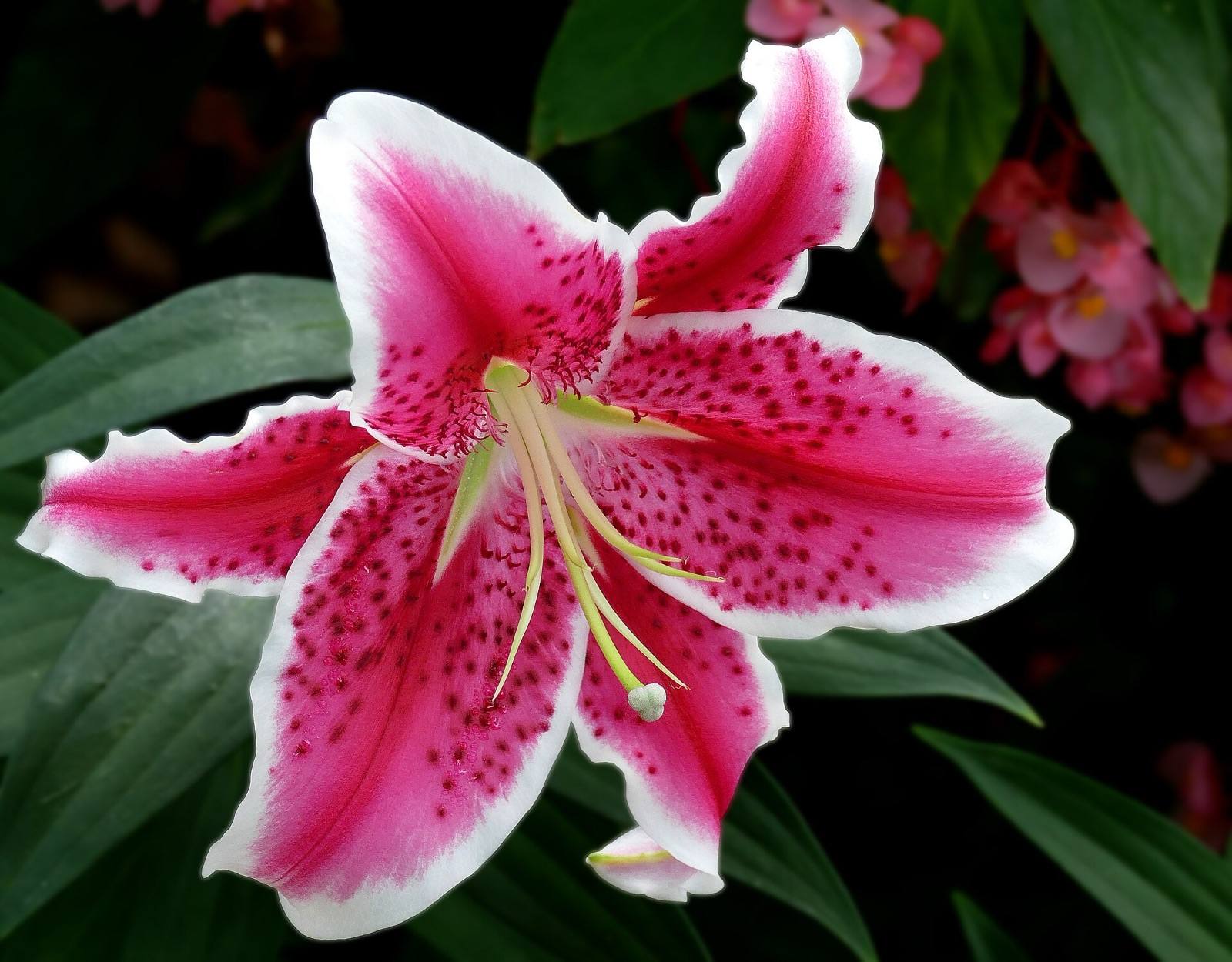
Lilies drink a lot, so top them up every day and pull off the orange anthers as each flower opens to stop pollen staining. All parts of true lilies, including the vase water, are toxic to cats. A wilted hydrangea usually comes back if you recut the stem and submerge the whole head in cool water for half an hour.
Common myths
Bleach
Partly true. A few drops of household bleach in the vase does slow bacteria, and it’s a common tip for gerberas in particular. But bleach doesn’t feed the flower or help the stem drink, and too much damages stems and leaves. If you have flower food, you don’t need bleach. If you’ve run out, a very small amount in a clean vase is a reasonable stopgap.
Aspirin
The idea is that a crushed aspirin makes the water slightly acidic, which helps stems take it up. Trials have given mixed results, and a tablet does nothing about bacteria, which is the main problem in most vases. It isn’t worth the fuss.
Coins
Copper does kill fungi and bacteria, which is where this one comes from. The trouble is that the copper in a coin is locked into an alloy and barely dissolves in vase water. The Royal Australian Mint lists the silver-coloured coins as 75 per cent copper and 25 per cent nickel, and the gold-coloured one and two dollar coins as copper with aluminium and nickel. Dropping one in the vase won’t do anything you’ll notice.
Lemonade
This is the closest of the four to working, because lemonade contains sugar and citric acid, two of the three things in flower food. What it lacks is a biocide, so the sugar feeds the bacteria as well as the flower and the water clouds faster. Diet lemonade has no sugar at all. If you try it, use a weak mix and change it often. Proper flower food does the same job better.
When they’re past their best
Some flowers are worth keeping after the vase. Banksia, protea and eucalyptus dry well if you tip out the water and leave them standing in the empty vase, or hang them somewhere dry and airy. For everything else, compost the stems and wash the vase straight away, ready for the next bunch. Check the seasonal calendar to see what’s coming into season next.